What does the E1 code on Aroma rice cookers actually point to?

May 5, 2026
160
0
6
toolcroze.com
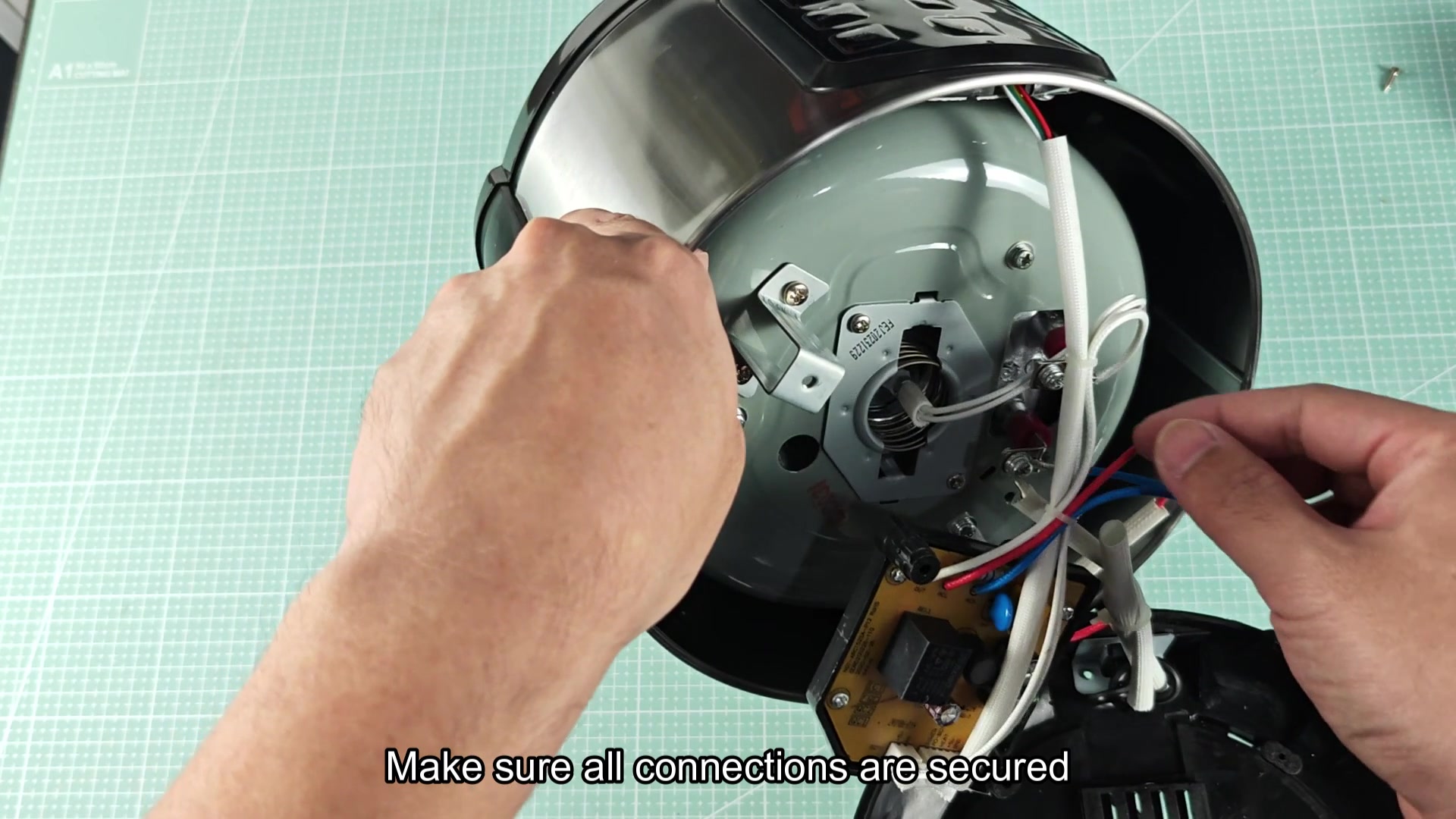
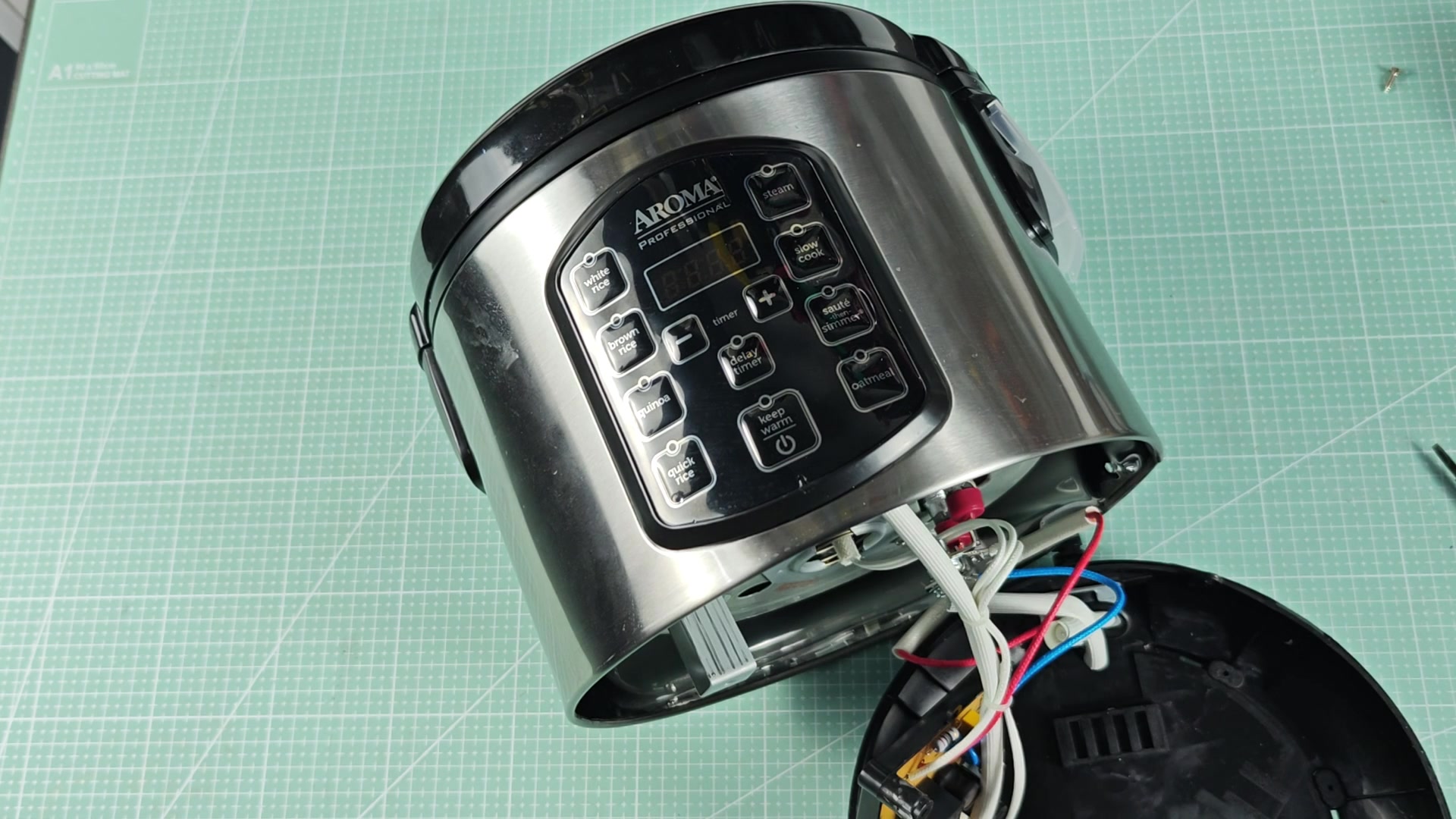
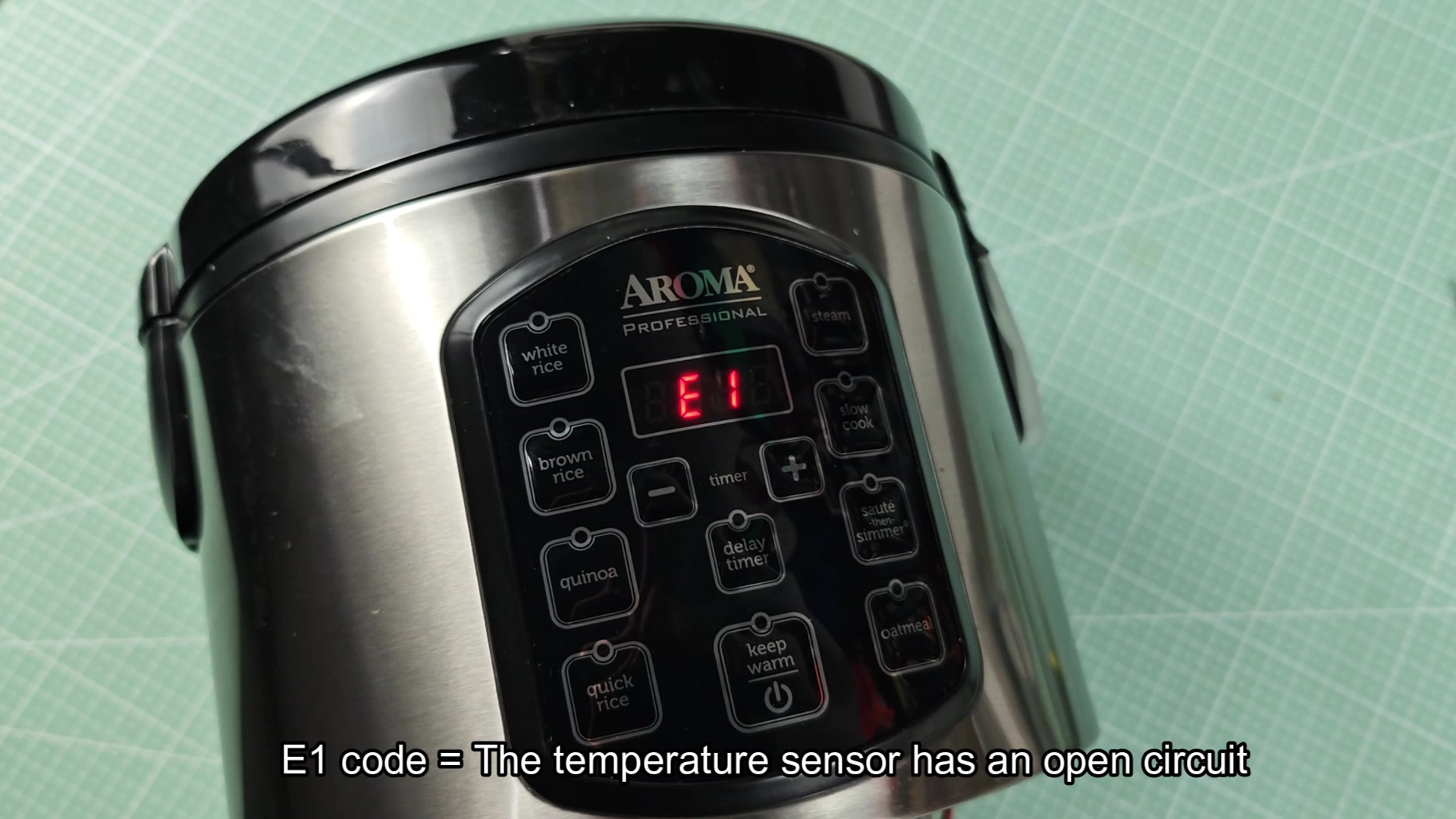
Saw the E1 code come up a few times when people is troubleshooting Aroma rice cookers and decided to post what I've read about it. The E1 code indicate an open circuit in the temperature sensor. Essentaly the cooker cannot read any signal from the sensor so it cannot start up to heat the pots.
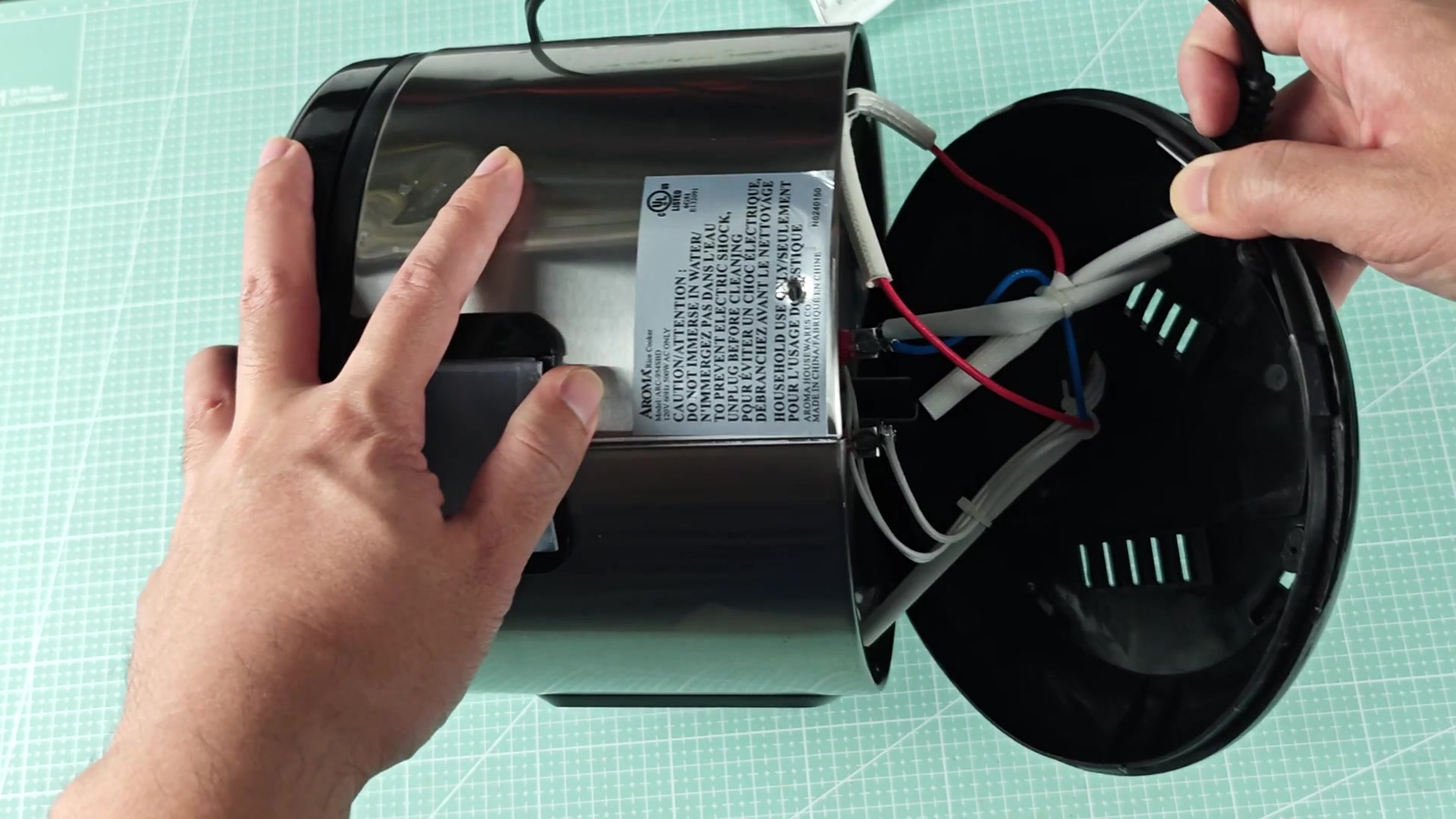
The suggestion is typically to open the machine up and inspect the sensor connection. Most of the time it isnt the sensor itself that is causing the issue, but instead one of the wires that is coming loose. If the sensor and connections check out, then you would have to replace the sensor itself.
Do the temperature sensor on these rice cookers use NTC thermistors as I seem to remember reading? Is it easy to find replacement?
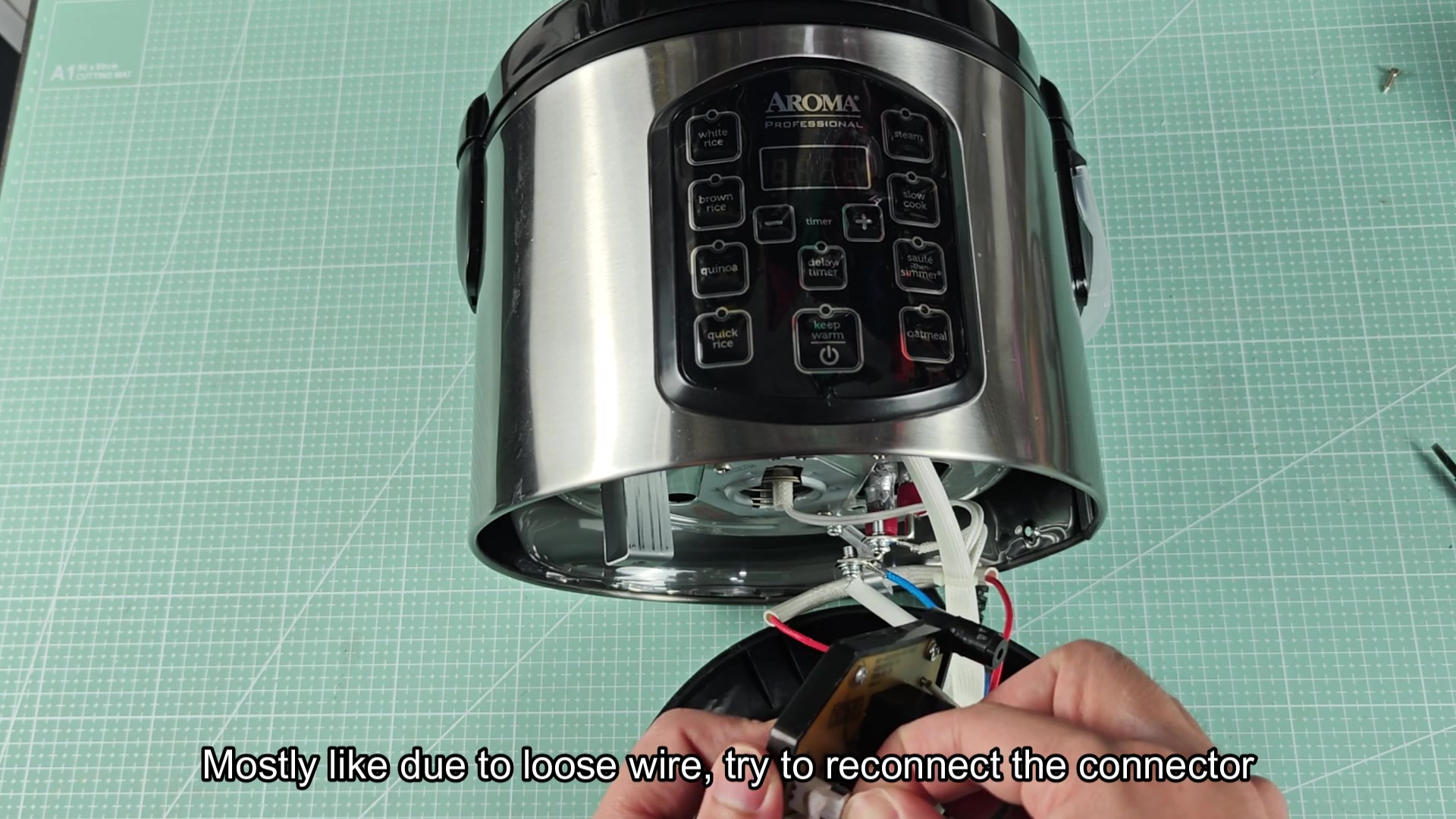
what-does-the-e1-code-on-aroma-rice-cookers-actually-point-to-1.jpg

what-does-the-e1-code-on-aroma-rice-cookers-actually-point-to-2.jpg

what-does-the-e1-code-on-aroma-rice-cookers-actually-point-to-3.jpg

what-does-the-e1-code-on-aroma-rice-cookers-actually-point-to-4.jpg

what-does-the-e1-code-on-aroma-rice-cookers-actually-point-to-5.jpg
 
yeah they're just standard NTC thermistors, usually 100k. I pulled one out of a dead ARC-150 last year and matched it to a generic off amazon for like 4 bucks. Nothing proprietary about it.
 
Open circuit on the sensor line is the textbook meaning of E1, so you're correct. Found this one three times... Twice it was a crimp connector that came loose at the base of the heating element, but once it was a cracked thermistor, visible crack in the sensor.
 
yeah they're just standard NTC thermistors, usually 100k. I pulled one out of a dead ARC-150 last year and matched it to a generic off amazon for like 4 bucks. Nothing proprietary about it.

wait so if its 100k NTC does the resistance value matter for the machine or will it just read the curve of the thermistor and compensate?
 
wait so if its 100k NTC does the resistance value matter for the machine or will it just read the curve of the thermistor and compensate?

resistance value definitely matters, if you use a 10k instead of 100k it will think the rice is always cold and the element will run until something in the pot melt. Measure the one that's currently dead and get one that matches.
 
resistance value definitely matters, if you use a 10k instead of 100k it will think the rice is always cold and the element will run until something in the pot melt. Measure the one that's currently dead and get one that matches.

ok thanks for the info. If I can read the markings on the thermistor itself do I just trust those values or would they have to be measured?
 
Mine threw E1 and it was a strand of rice that had crusted onto the sensor pad. Just gave it a quick clean and it was good.

the rice crust thing isnt related to the E1 code though, that's more of a thermal sensing issue. It would have thrown an E2 or E3 code depending on the model. E1 specifically mean the controller sees infinite resistance on that line.