Small shell pasta portion check, 100g dry per person sound right?

May 5, 2026
175
0
6
toolcroze.com
Find something interesting with a little test someone did on small shell pasta, thought it was worth discuss.
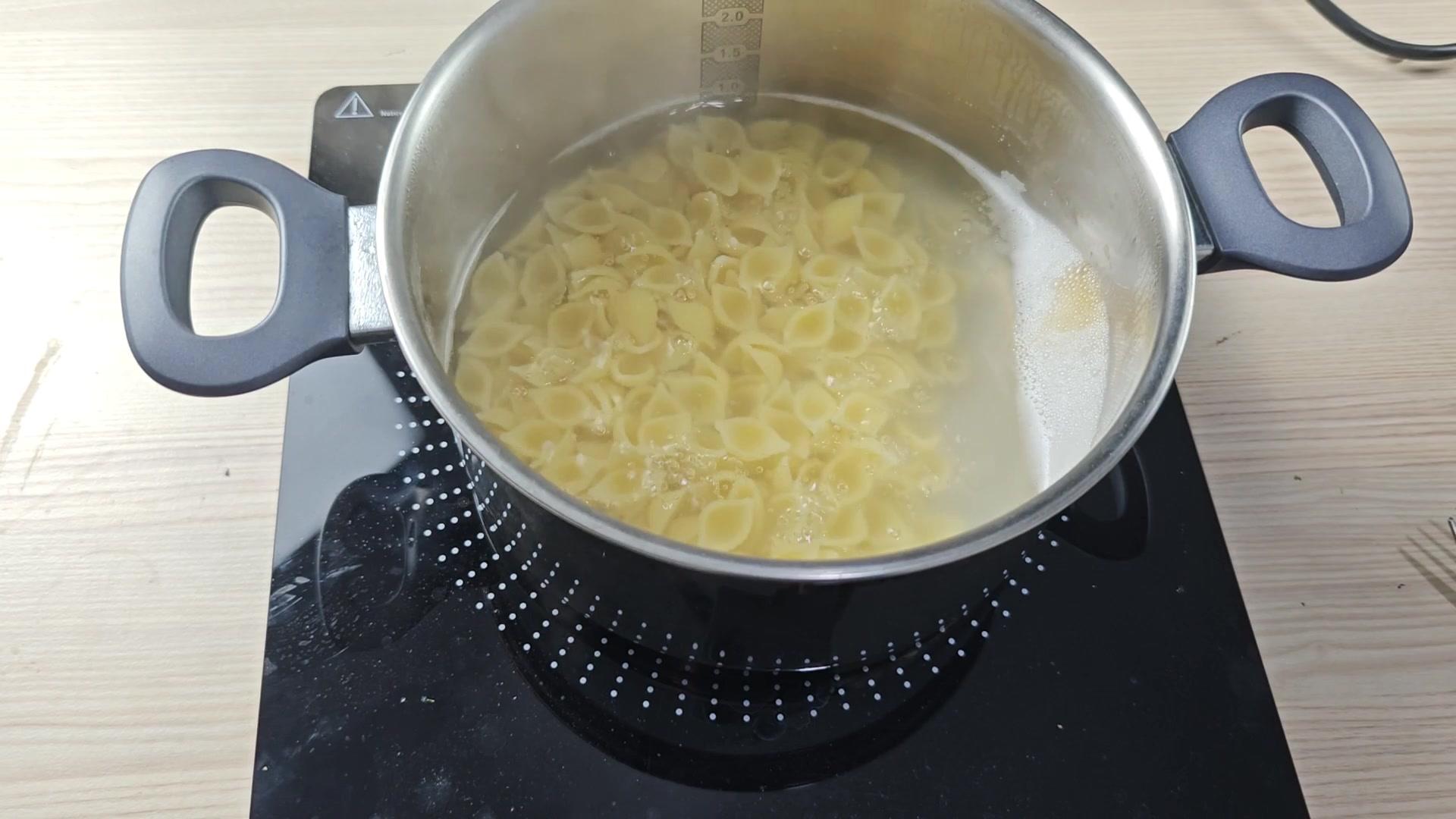
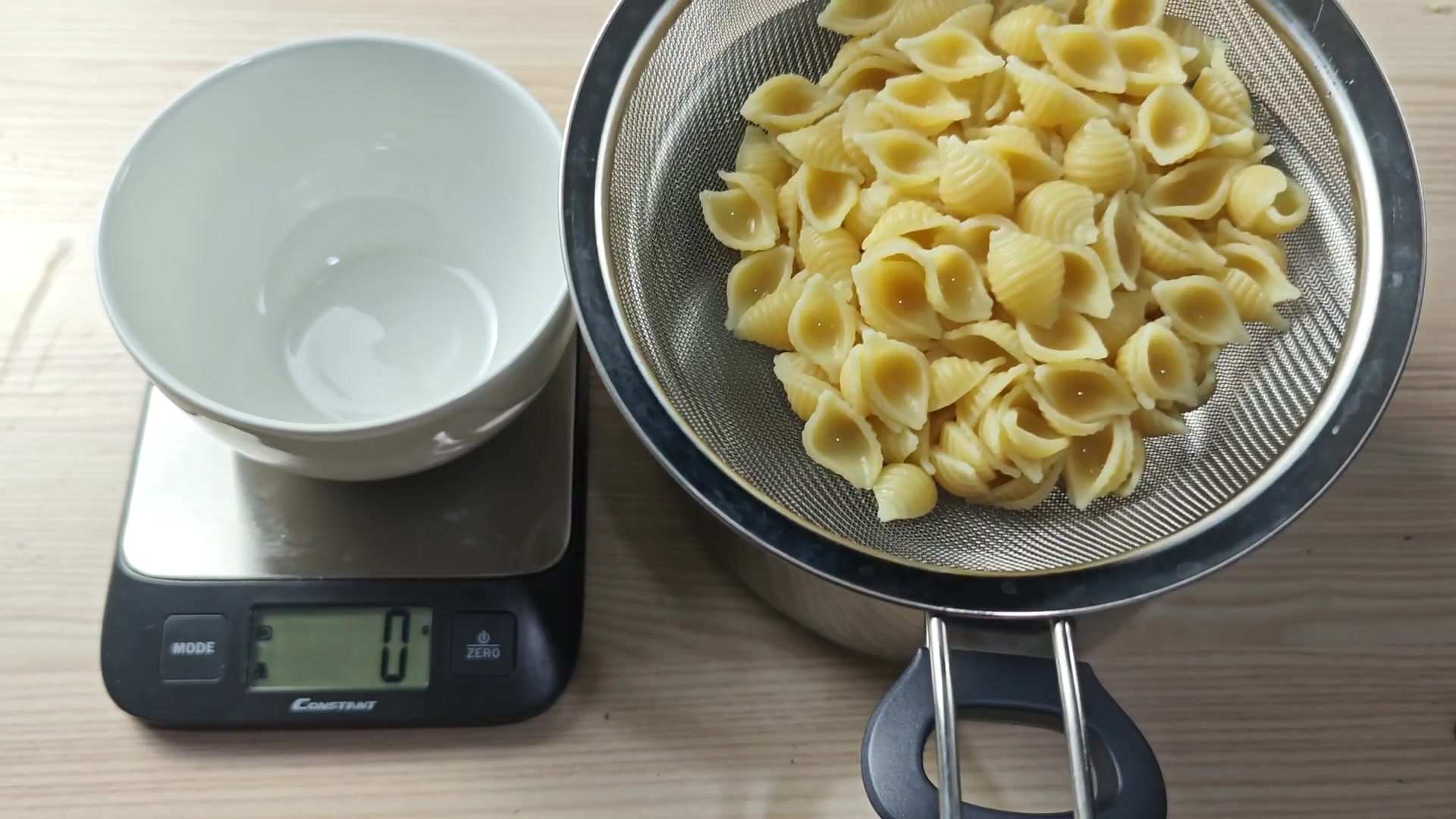
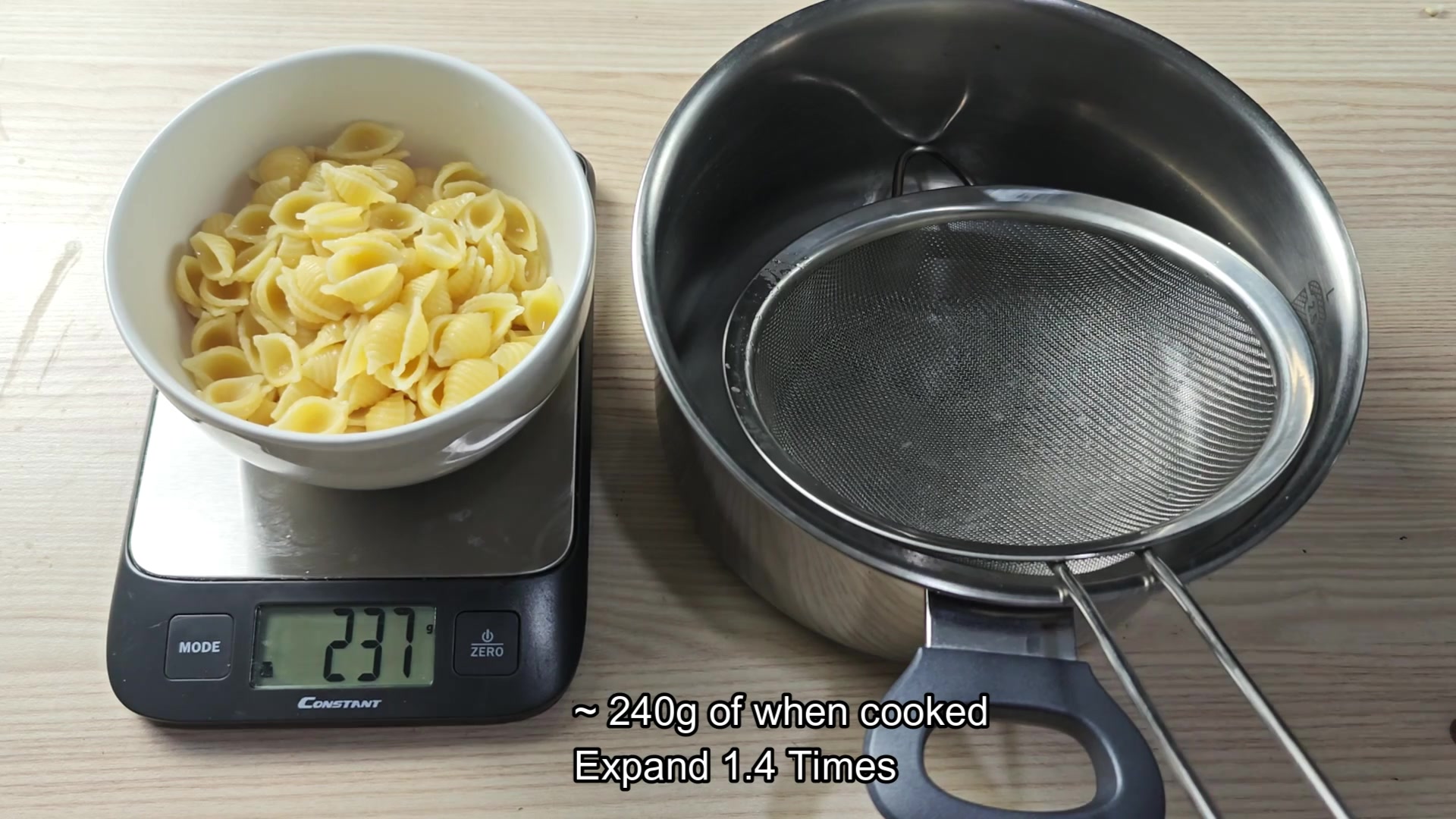
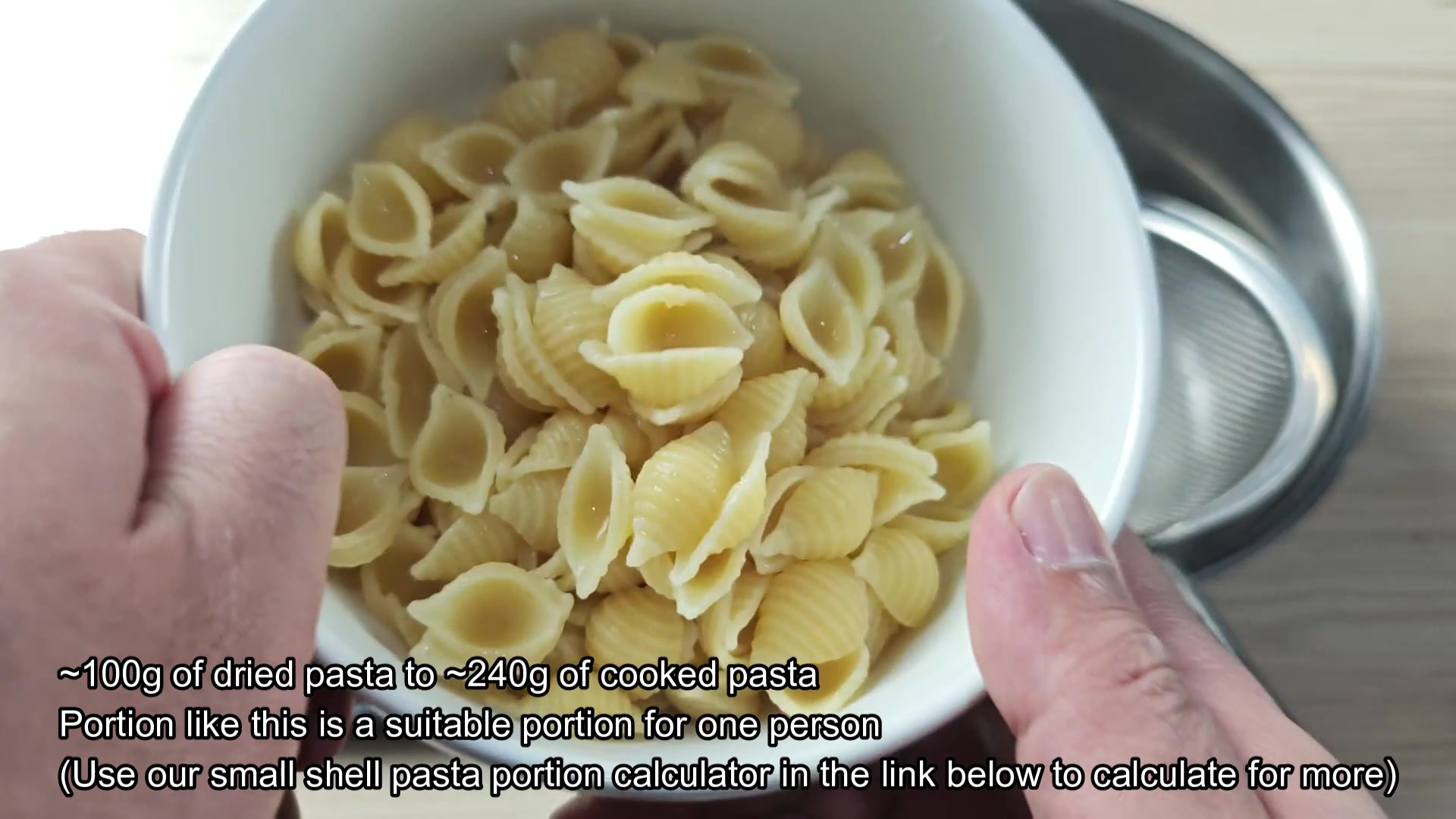
100g of dried pasta expand to 240g when cooked... 1.4x expansion ratio. Not too much, long pasta or ribbed pasta can expand to twice the weight or more.
Small shell pasta expansions are slower due to its shape, although salt and cook time is also factors in the expansion of pasta. 100g per person is suitable for a main course but can be on the heavy side for a side dish. For mac and cheese, it would be better at 70-80g per person because of the bulkiness of the sauce.
What others go to when cooking small shell pasta? What is the 1.4x ratio for small shell pasta? When cooked in bulk?
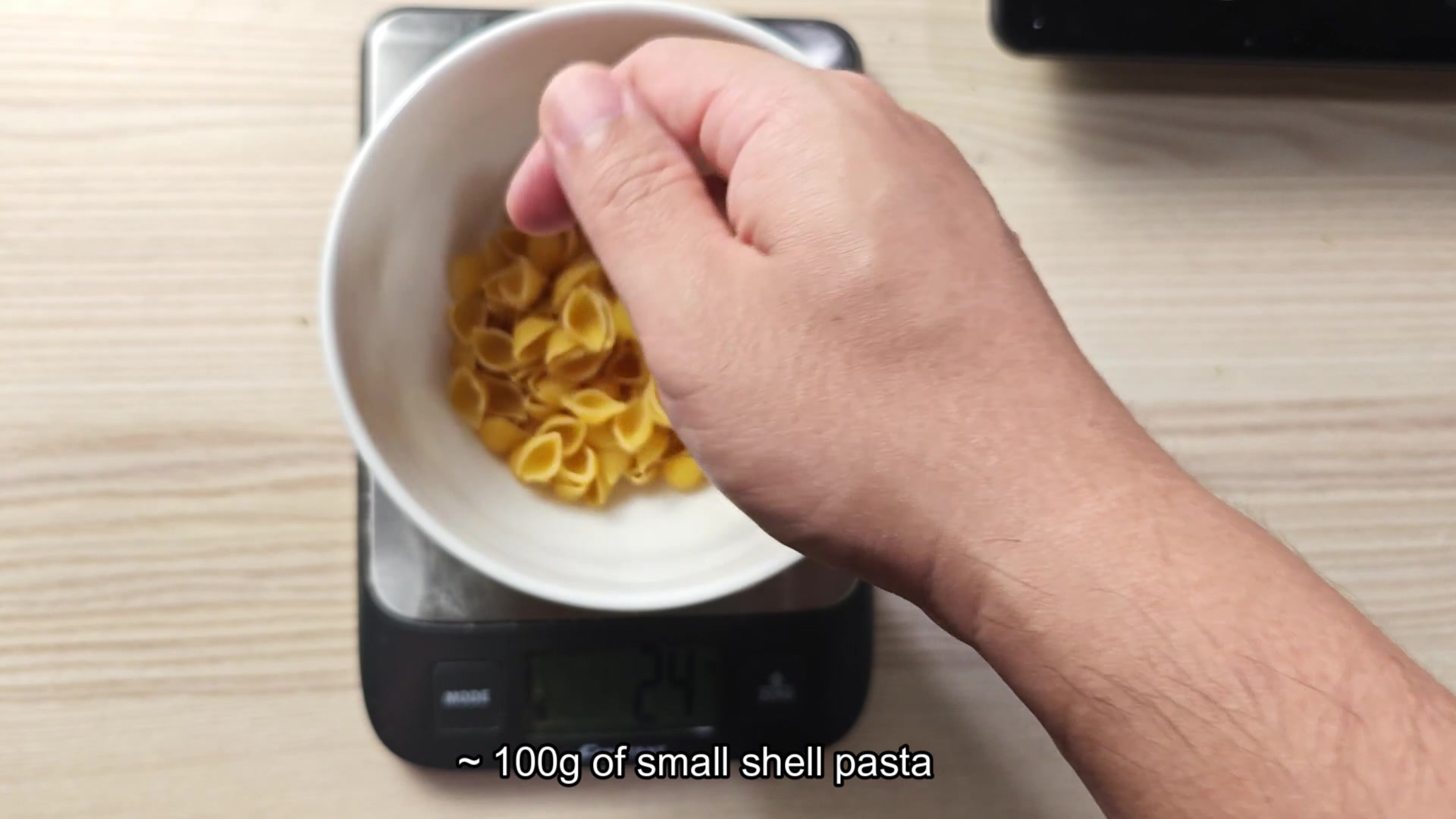
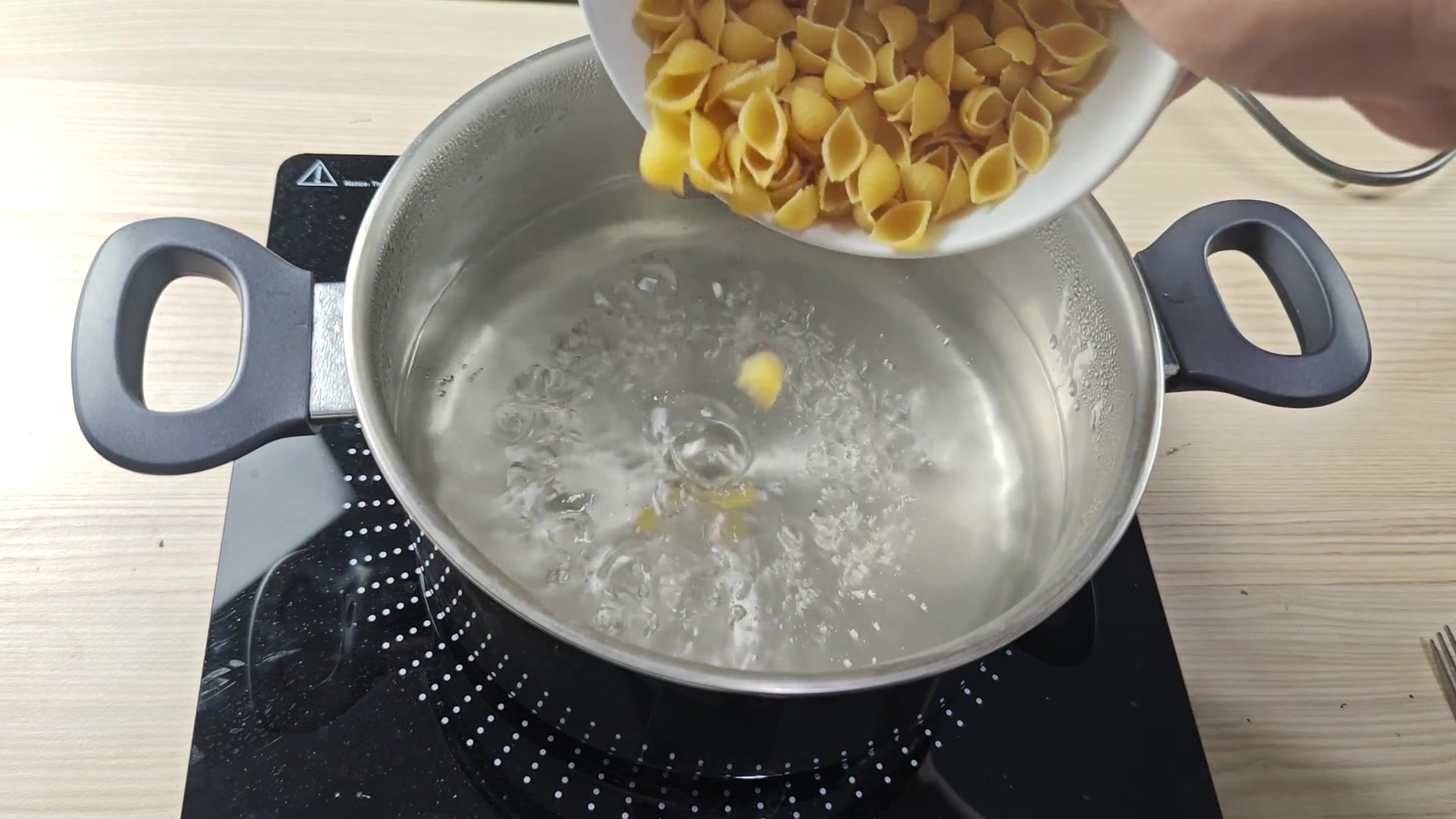
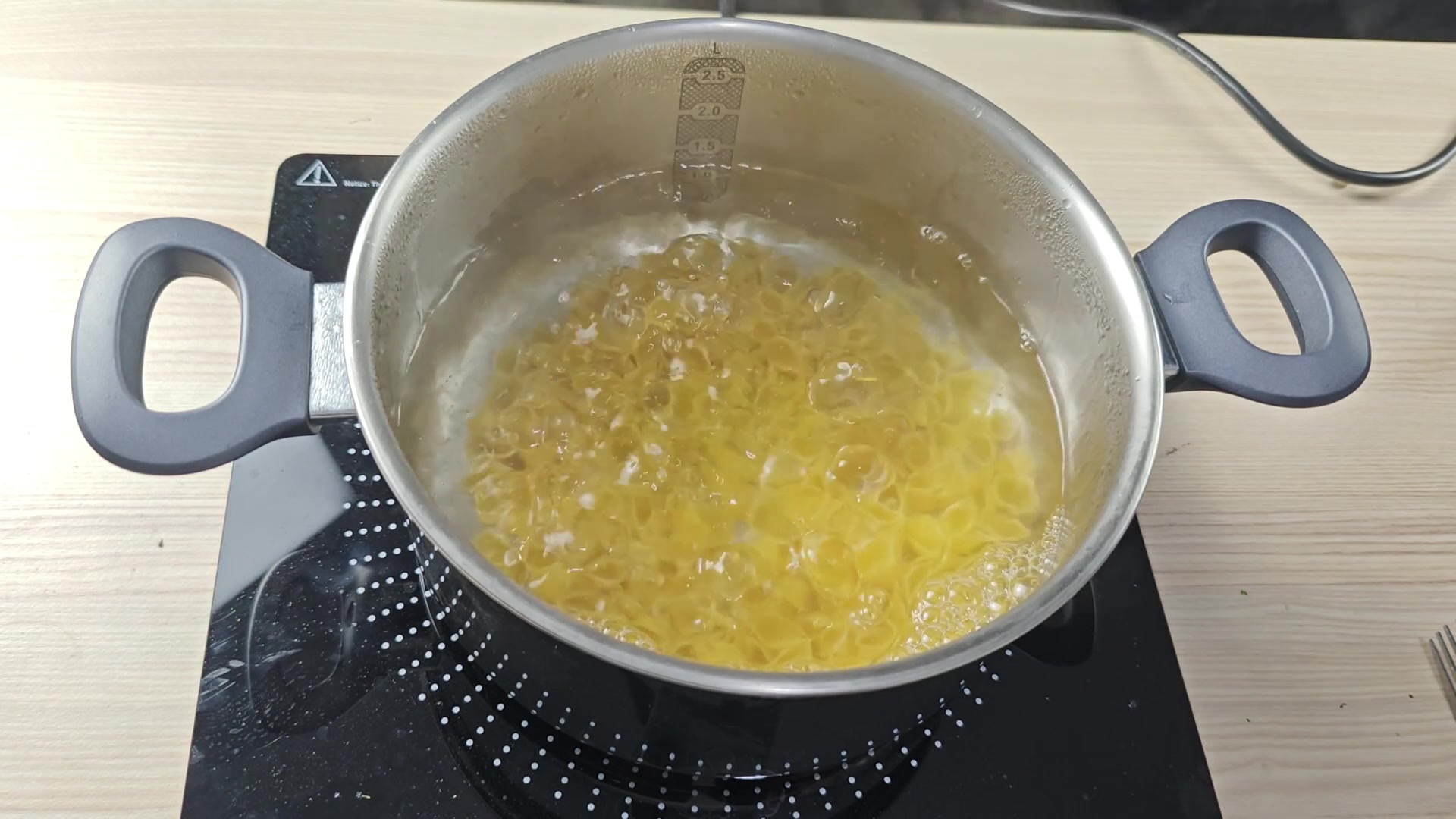
small-shell-pasta-portion-check-100g-dry-per-person-sound-right-1.jpg

small-shell-pasta-portion-check-100g-dry-per-person-sound-right-2.jpg

small-shell-pasta-portion-check-100g-dry-per-person-sound-right-3.jpg

small-shell-pasta-portion-check-100g-dry-per-person-sound-right-4.jpg

small-shell-pasta-portion-check-100g-dry-per-person-sound-right-5.jpg

small-shell-pasta-portion-check-100g-dry-per-person-sound-right-6.jpg

small-shell-pasta-portion-check-100g-dry-per-person-sound-right-7.jpg
 
100g per person is the go-to portion for small shell pasta in Italy. 80g is the traditional serving size but tends to get rounded up to 100g.
 
1.4x seems low for small shell pasta expansion. I find that small shell pasta make closer to 2x the expansion. Unless it is undercooked?
 
why does bronze die pasta hold sauce better anyway? is it just the rougher surface or is there something else going on with the starch
 
The 1.4x figure is almost certainly because they drained their pasta early in the cooking process or did not season their pasta enough. The expansion of pasta is based on the amount of water the pasta absorbs while cooking and has nothing to do with the shape of the pasta. Long shaped pasta and short shaped pasta will have the same expansion rate. The only factor that will change the expansion of pasta is the cook time. Bronze die pasta versus Teflon will make a slight change due to the rougher surface of bronze die pasta but the change will be within rounding error of each other.
 
The 1.4x figure is almost certainly because they drained their pasta early in the cooking process or did not season their pasta enough. The expansion of pasta is based on the amount of water the pasta absorbs while cooking and has nothing to do with the shape of the pasta. Long s…

so if cook time is the main driver, what happens if you do the cold soak method then finish in sauce, does the final weight come out the same?
 
so if cook time is the main driver, what happens if you do the cold soak method then finish in sauce, does the final weight come out the same?

Cold soak then finish in sauce will end up slightly heavier. The pasta continues to absorb the cooking liquid from the sauce while cooking. However, the difference will be around 10-15g only which is negligible for portioning.
 
barilla shells vs the de cecco ones I definitely notice a difference with how the de cecco holds its shape better. Not sure about the ratio but barilla seems to bloat more
 
barilla shells vs the de cecco ones I definitely notice a difference with how the de cecco holds its shape better. Not sure about the ratio but barilla seems to bloat more

interesting, so the BMS, sorry wrong forum lol. But yeah does de cecco actually weigh more cooked?
 
Has anyone tested this with the gluten free shells? When I switched my partner to gluten free shells the expansion ratio was totally different. The corn based shells blow up and then collapse. Anyone care to share their findings on this?
 
Has anyone tested this with the gluten free shells? When I switched my partner to gluten free shells the expansion ratio was totally different. The corn based shells blow up and then collapse. Anyone care to share their findings on this?

GF pasta is a whole different animal. The starch in corn reacts differently to pasta than wheat gluten so it's not the same ratio. Also, the cooking window for GF pasta is more narrower.