Ryobi 18V battery pinout, what do the C1-C4 pads actually do?

May 5, 2026
37
0
6
toolcroze.com
Looking through some notes on the Ryobi 18V pack pinout, I figured I'd toss this out for discussion as it come up in relation to the ryobi 18v packs alot.
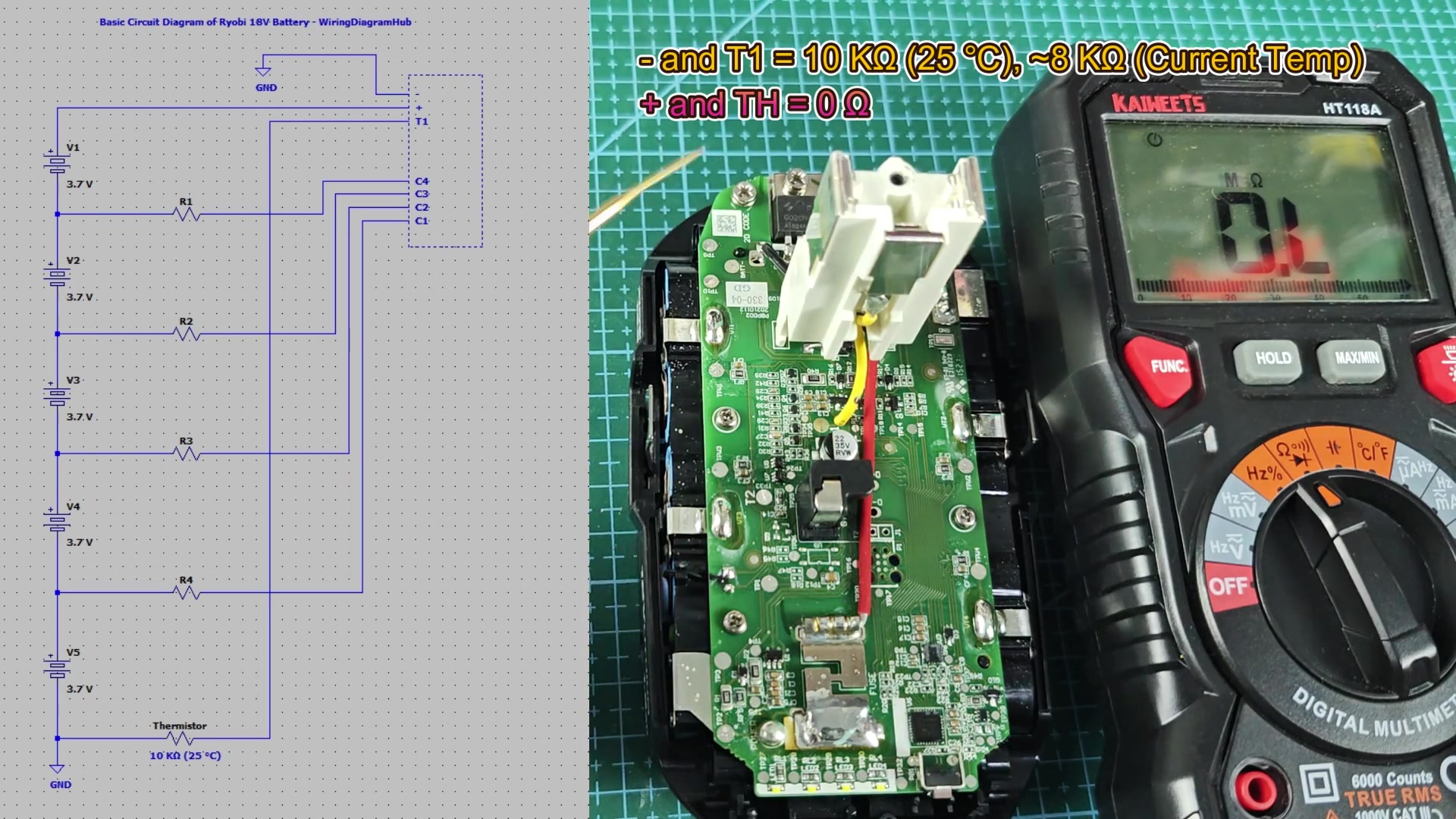
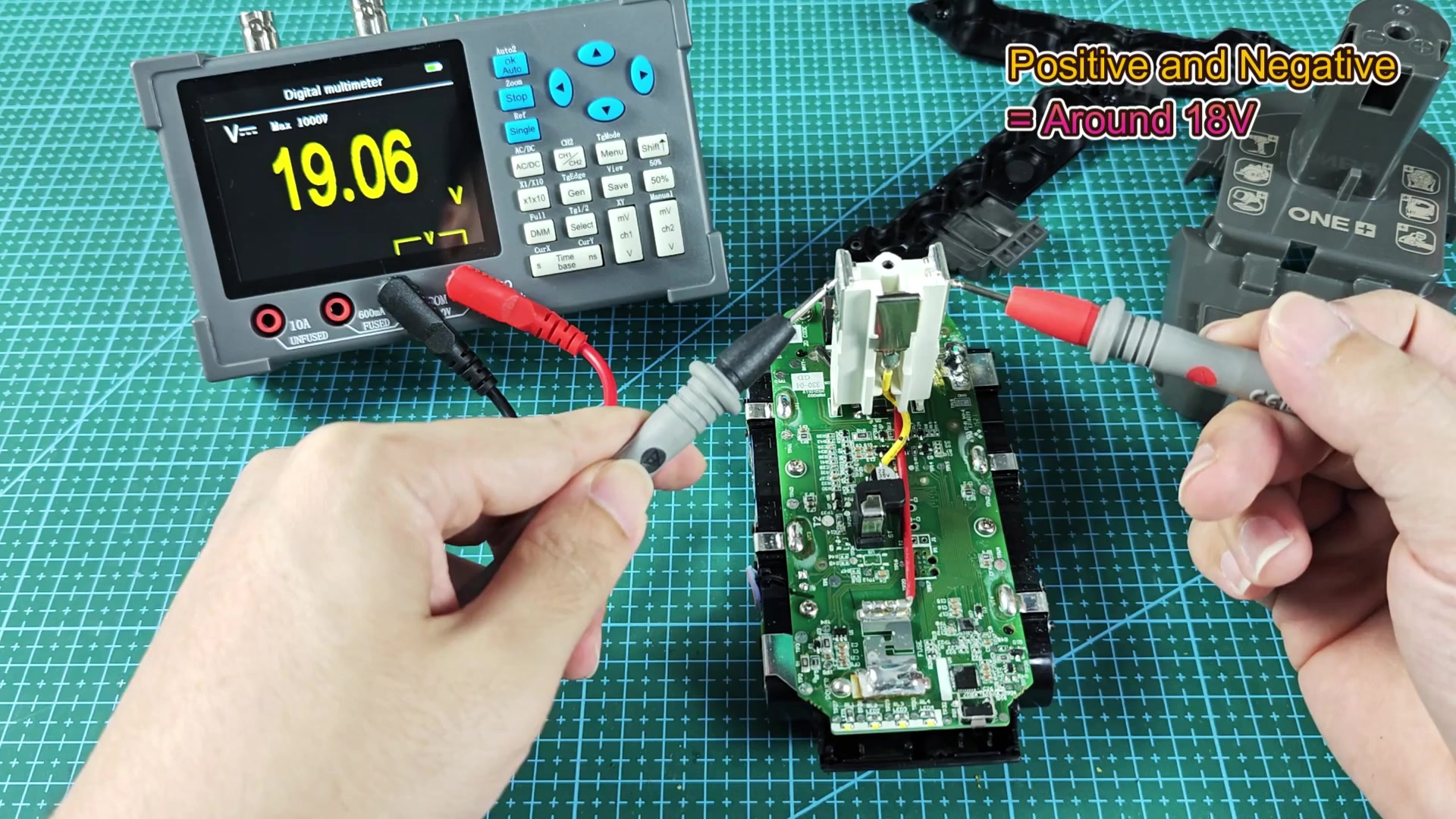
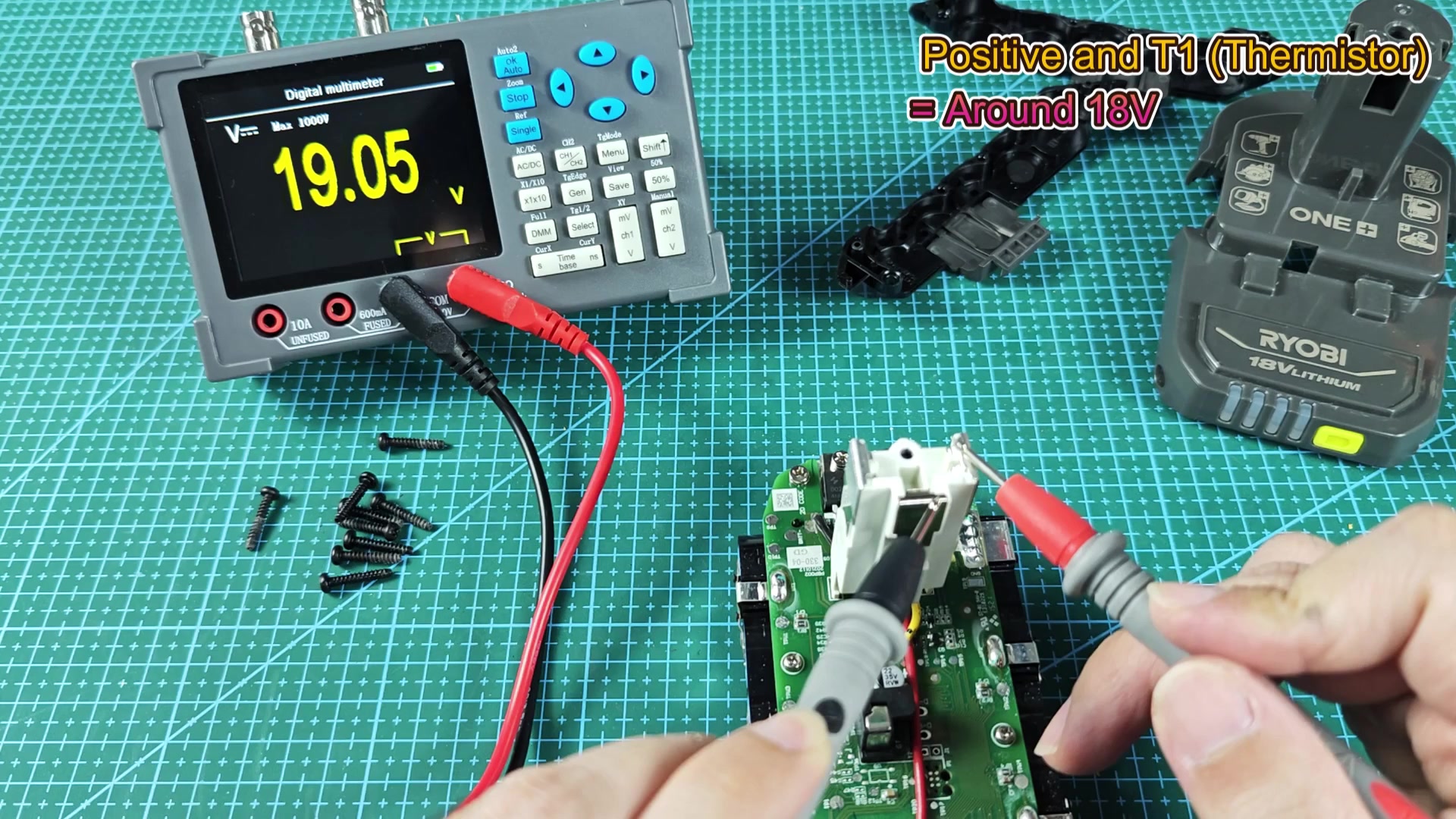
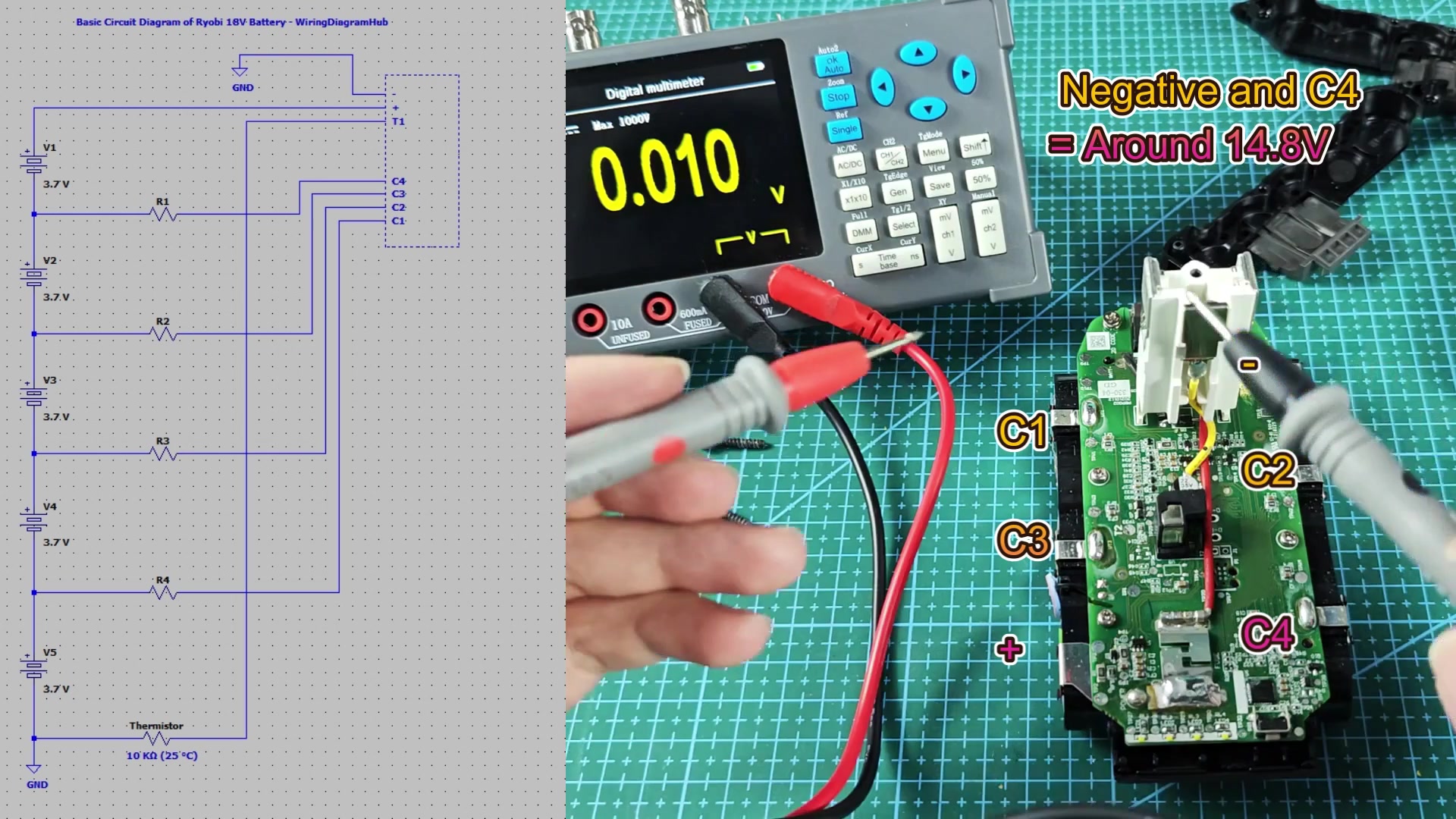
As with most 18v packs you have the usual suspects: minus for negative, plus for positive. T1 is the thermistor that the charger and the tool use to monitor the tool temperature; if it's open or shorted the charger will refuse to operate. The interesting pins on the ryobi 18v battery are the C1-C4 junctions between the cell groups. These allow the balance charger and BMS to individually read each of the cell groups to ensure they remain even between groups.
What are peoples experiences with the C1-C4 points?
ryobi-18v-battery-pinout-what-do-the-c1-c4-pads-actually-do-1.jpg

ryobi-18v-battery-pinout-what-do-the-c1-c4-pads-actually-do-2.jpg

ryobi-18v-battery-pinout-what-do-the-c1-c4-pads-actually-do-3.jpg

ryobi-18v-battery-pinout-what-do-the-c1-c4-pads-actually-do-4.jpg
 
As with most ryobi 18v tools, the C1-C4 pins serves a simple function as balance leads. It's just a matter of hooking the appropriate leads to each of the junctions and you're good. Nothing special about them though.
 
Wait, so if I understand correctly, if I hooked up a hobby balance charger to the C1-C4 terminals as well as the main negative pin on the ryobi tool, it would essentially function the same than if I hooked it up to a 5S balance plug on a lipo pack? If so, does it matter in which order I connect the leads from the charger to the ryobi 18v battery?
 
Reviving packs that have locked out due to their BMS via the C1-C4 pads works fine; I've done this 30+ times on older blue ryobi 18v packs. Essentially, the BMS locks out the discharge FETs (field effect transistors) on the battery; it does not lock out the charge path to the battery. A gentle charge to the battery via the main terminals will often revive the BMS without needing to touch the C1-C4 pads at all. If the BMS locked out due to one of the groups having a significantly lower voltage than the others, a balance charge to that group via the C1-C4 pads will fix that. For newer ryobi 18v packs though, especially the high performance models, the BMS will lock out the discharge FETs more aggressively; in this case you will need to balance the battery first before it will accept a normal charge. Additionally, the pad spacing on the newer ryobi 18v packs is much closer together, so care must be took with any probing with a meter leads to these pads.
 
I would think there's a risk of arcing between the cell groups with ryobi's newer packs if your meter lead slips into those pads? What gauge wire do you use to probe the C1-C4 junctions?