Assault Air Rower Elite, damper setting and form tips for new users?

May 5, 2026
196
0
6
toolcroze.com
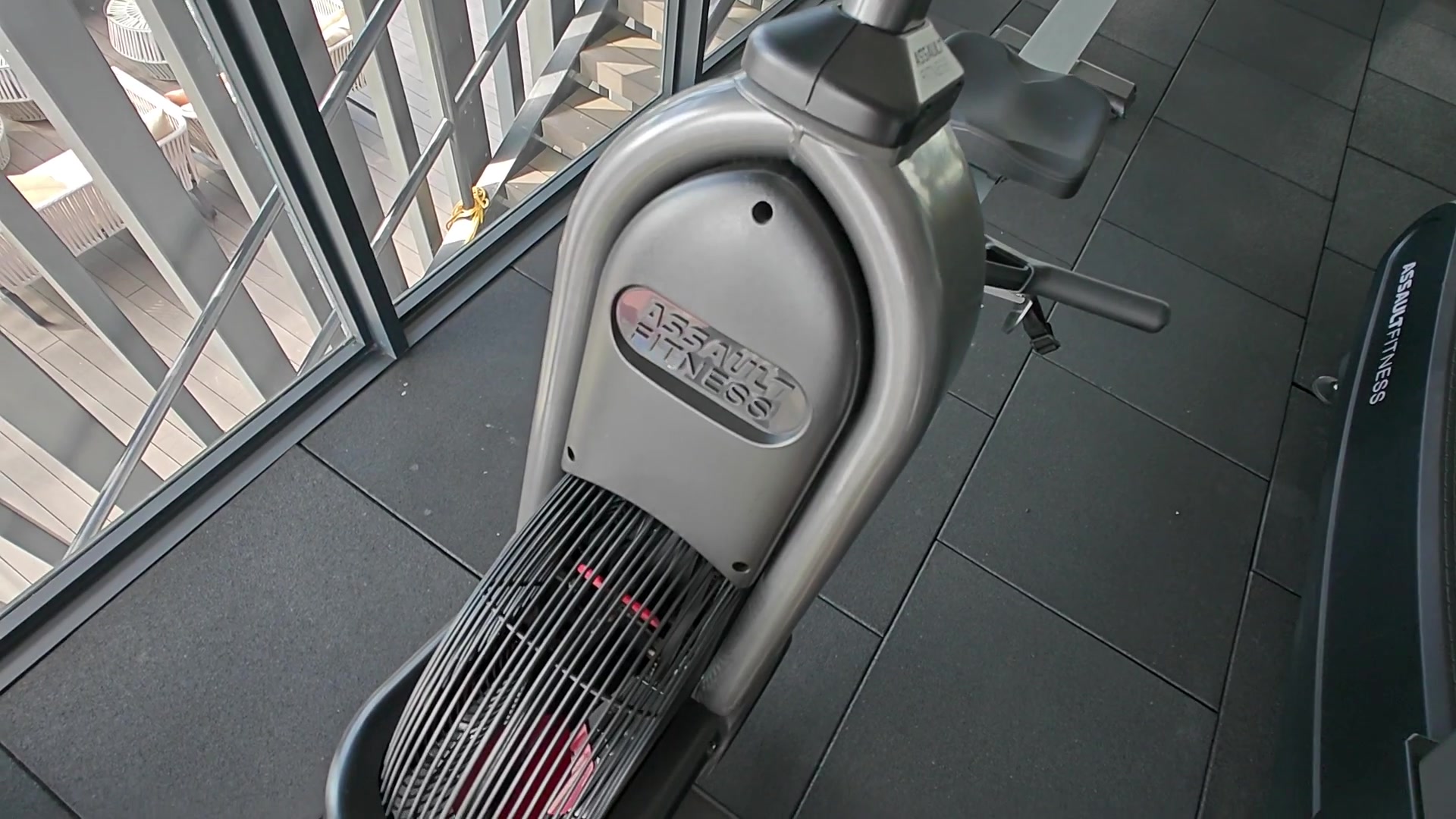
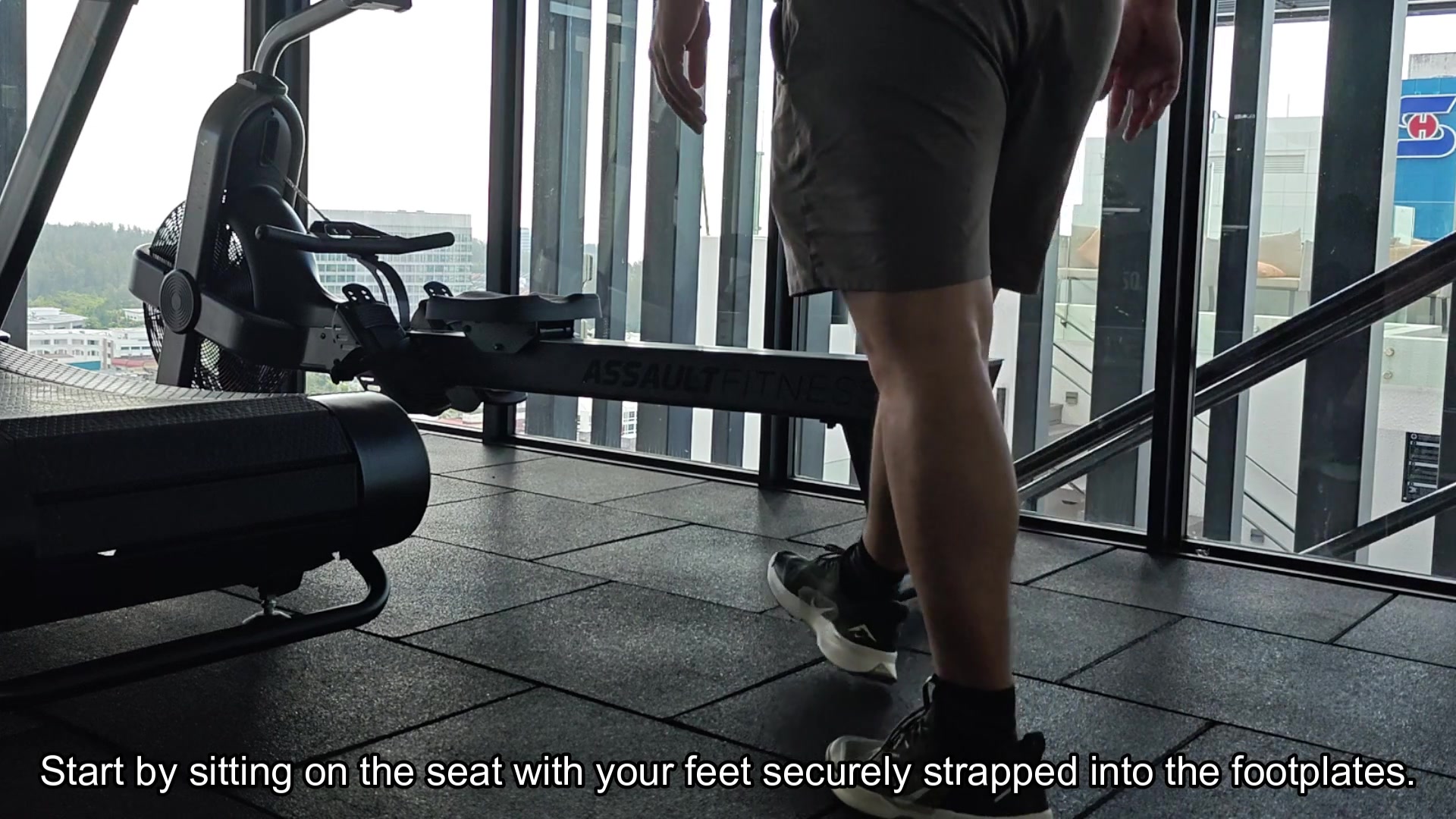
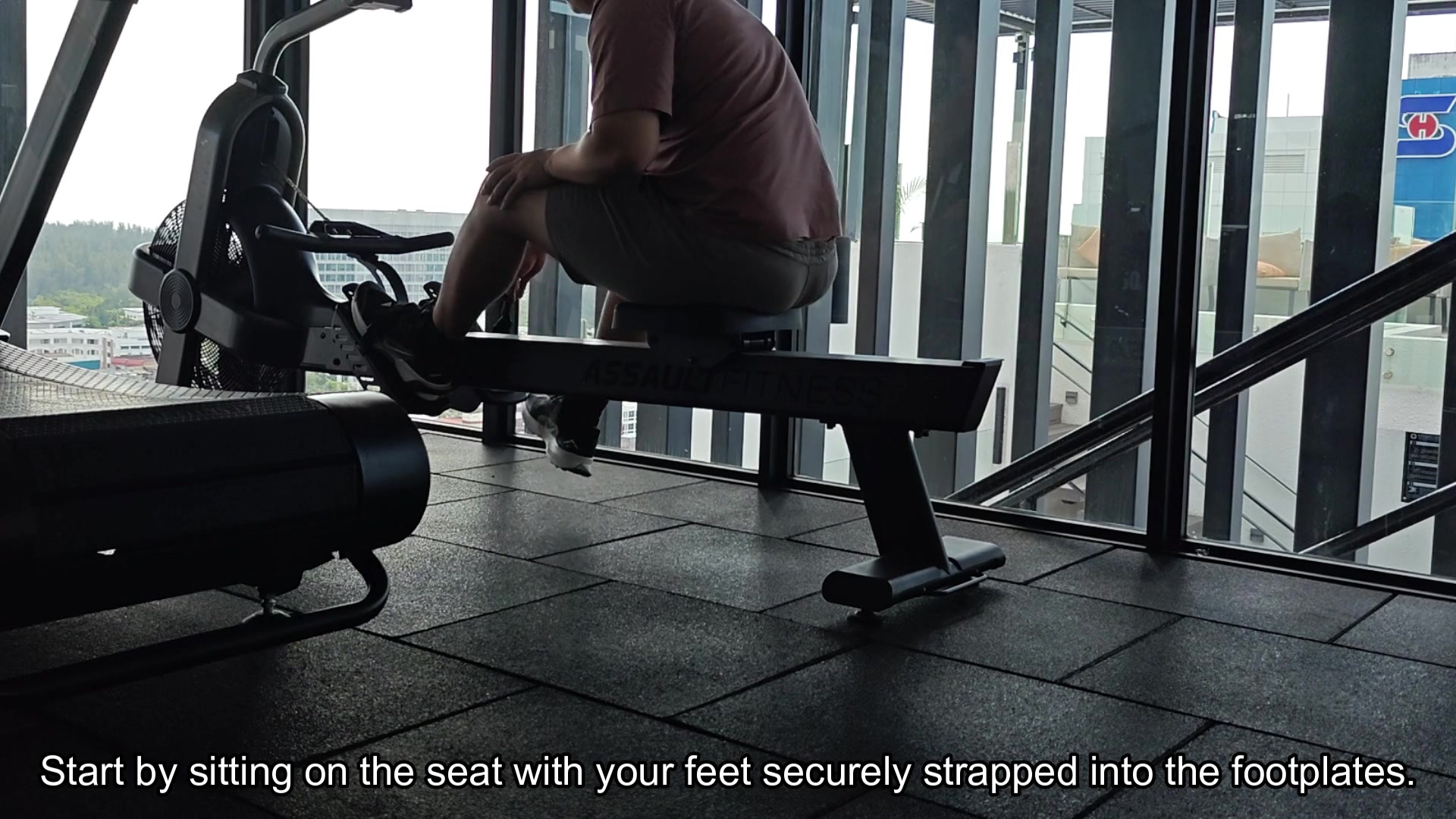
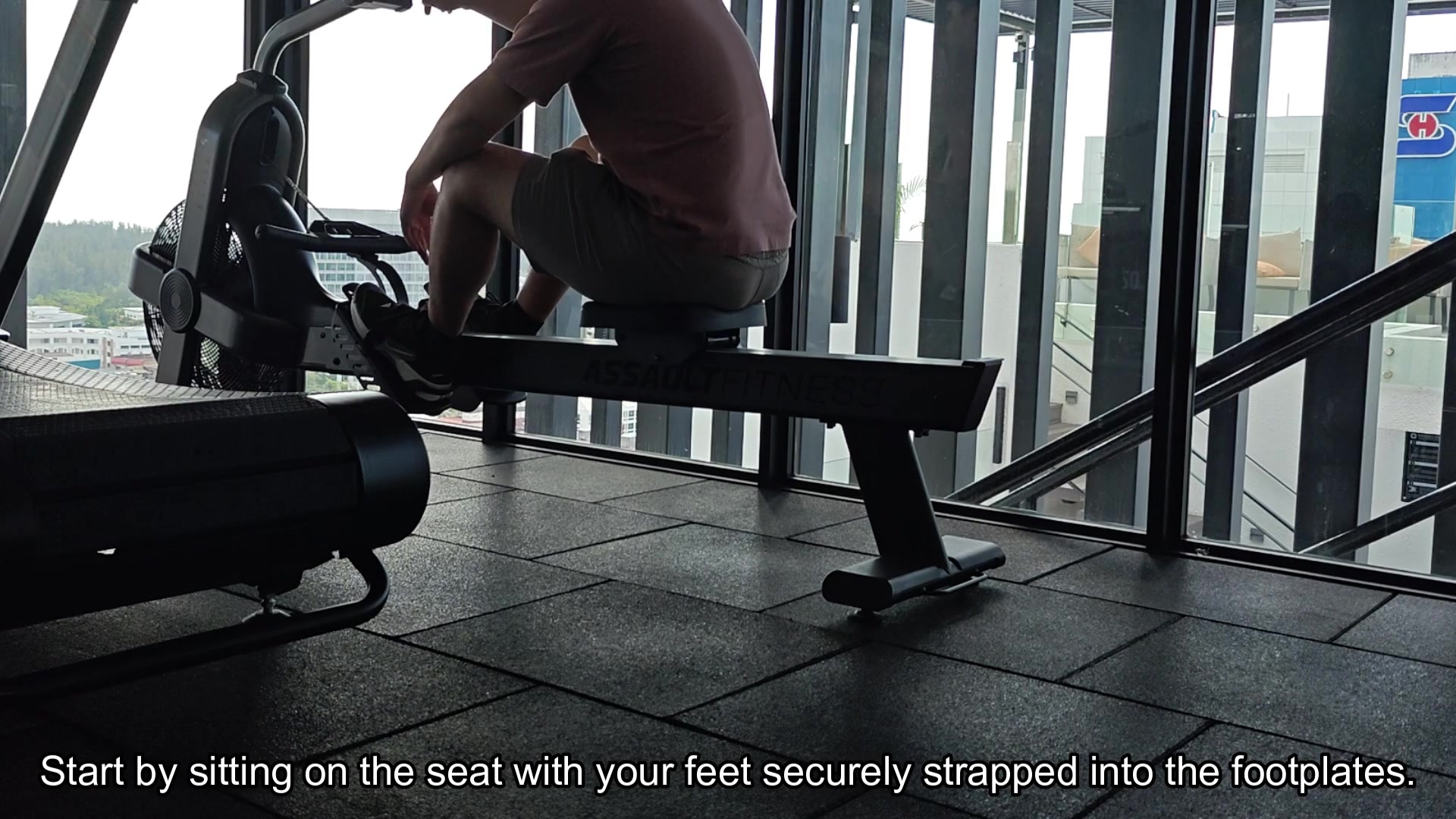
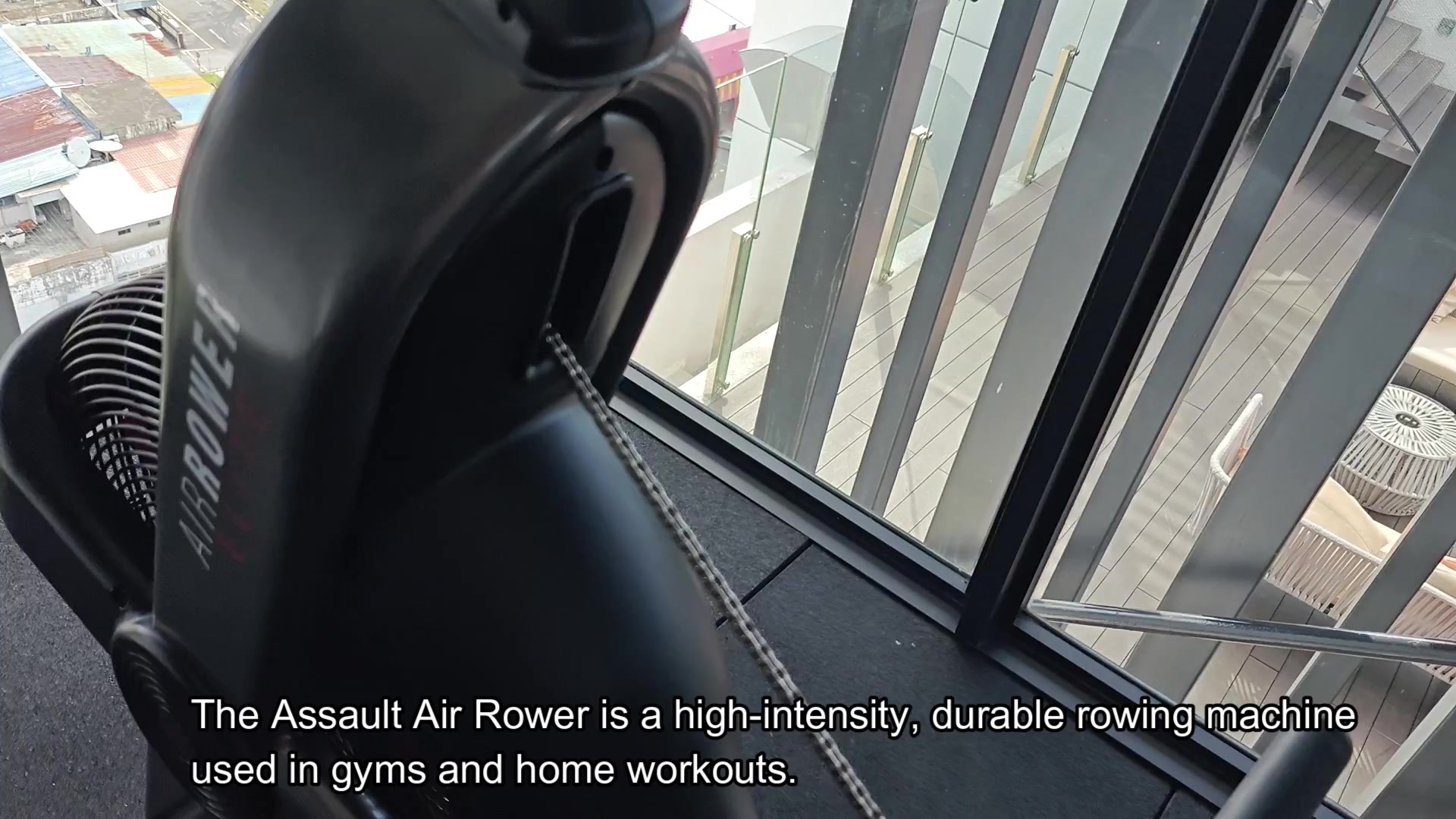
There is some information out there about the Assault Fitness Air Rower Elite. This thread will cover common topics like rowing form, damper settings, handle technique, and what the console does. It’s all meant to provide some practical tips from folks using the equipment day-in and day-out, since those are the factors that affect your workout.

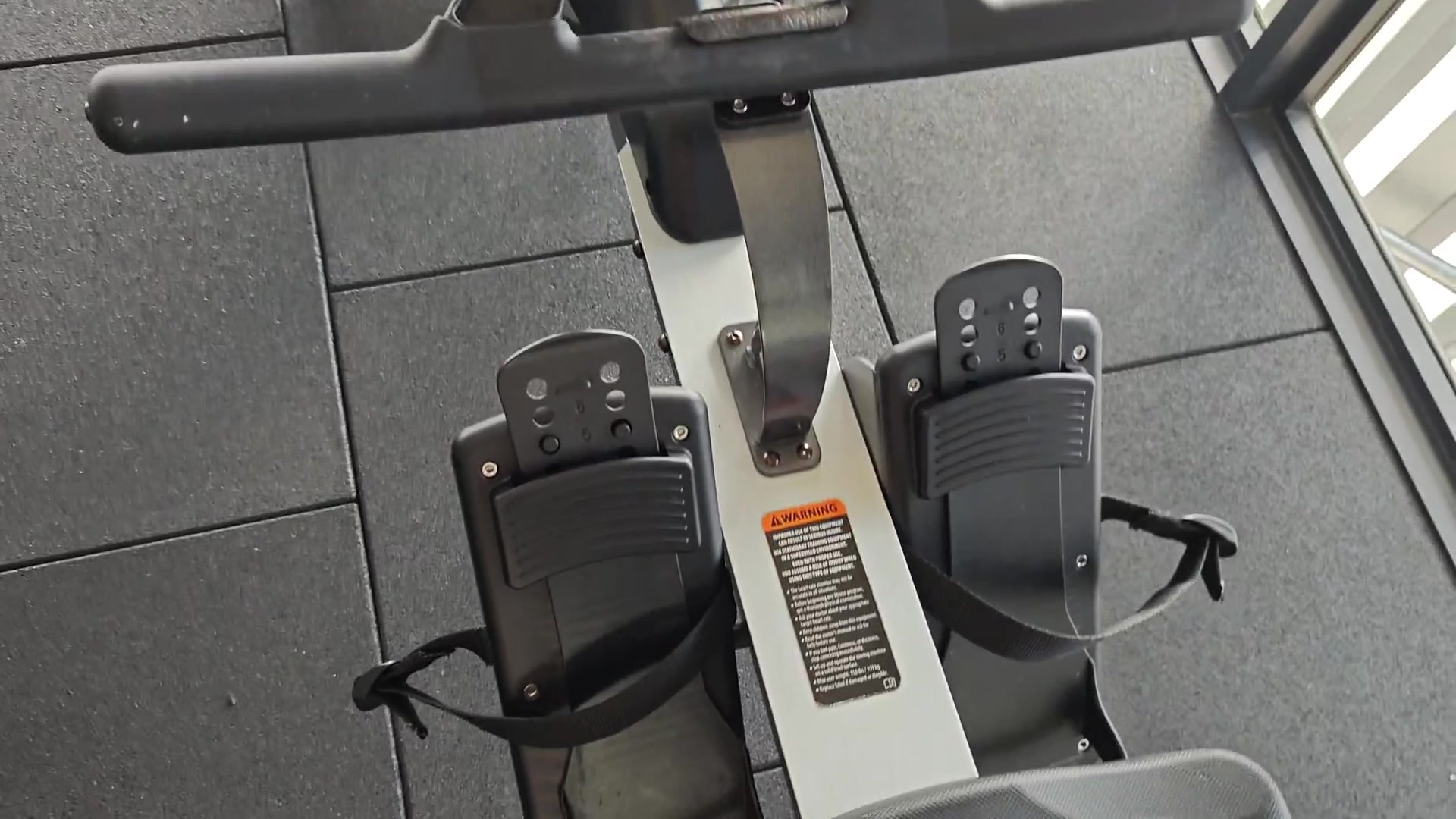
assault-air-rower-elite-damper-setting-and-form-tips-for-new-users-1.jpg

assault-air-rower-elite-damper-setting-and-form-tips-for-new-users-2.jpg

assault-air-rower-elite-damper-setting-and-form-tips-for-new-users-3.jpg

assault-air-rower-elite-damper-setting-and-form-tips-for-new-users-4.jpg

assault-air-rower-elite-damper-setting-and-form-tips-for-new-users-5.jpg

assault-air-rower-elite-damper-setting-and-form-tips-for-new-users-6.jpg

assault-air-rower-elite-damper-setting-and-form-tips-for-new-users-7.jpg

assault-air-rower-elite-damper-setting-and-form-tips-for-new-users-8.jpg

assault-air-rower-elite-damper-setting-and-form-tips-for-new-users-9.jpg

assault-air-rower-elite-damper-setting-and-form-tips-for-new-users-10.jpg
 
For almost every workout, most rowing coaches suggests using damper settings of 4 or 5. With Concept2's Model D (and many other air rowers), this holds true, too. The higher damper setting will make the machine "feel" heavier, but typically it will also be less efficient as you are unable to sustain your desired stroke rate. Go with a more moderate setting and pace yourself better.
 
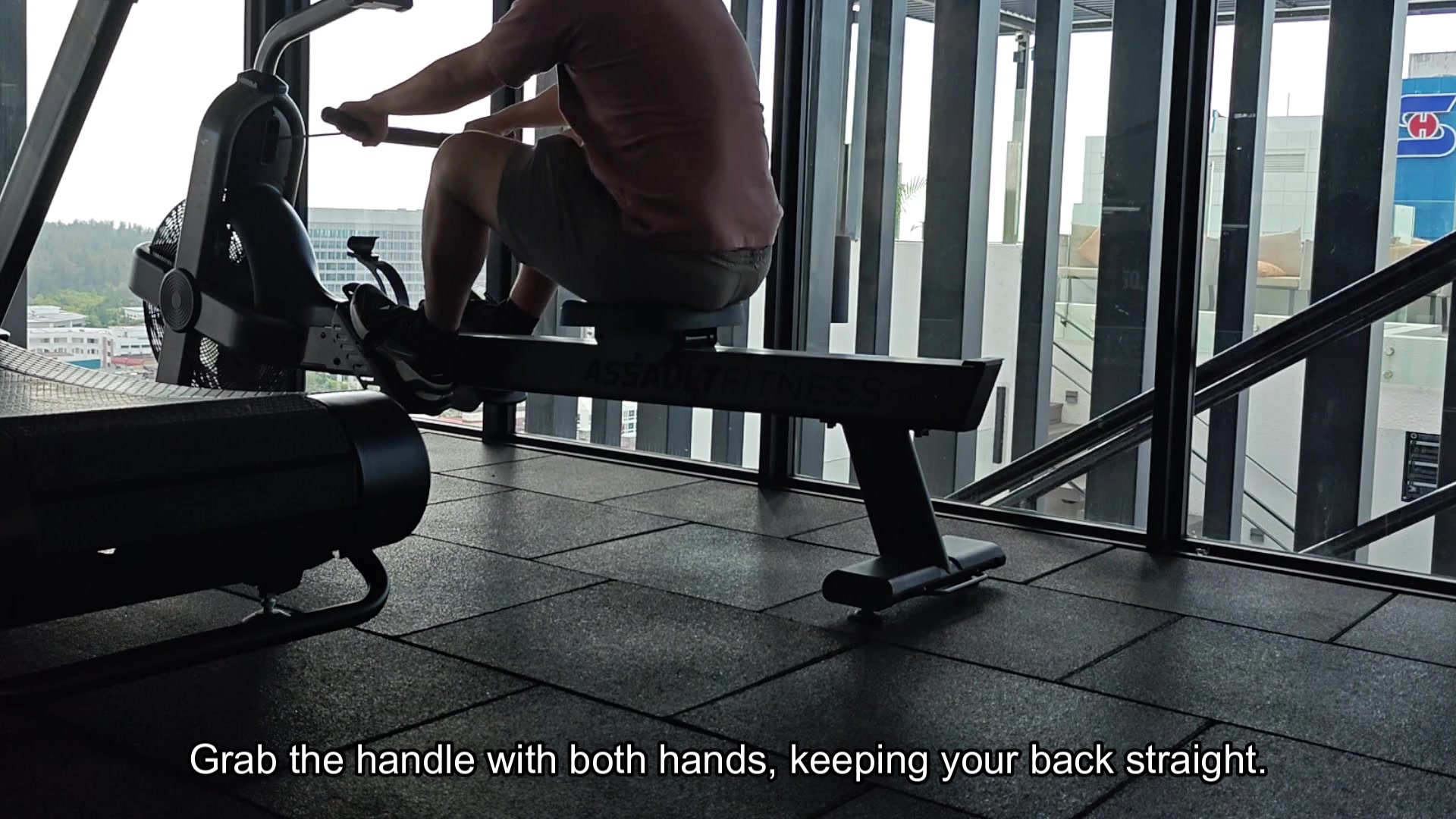
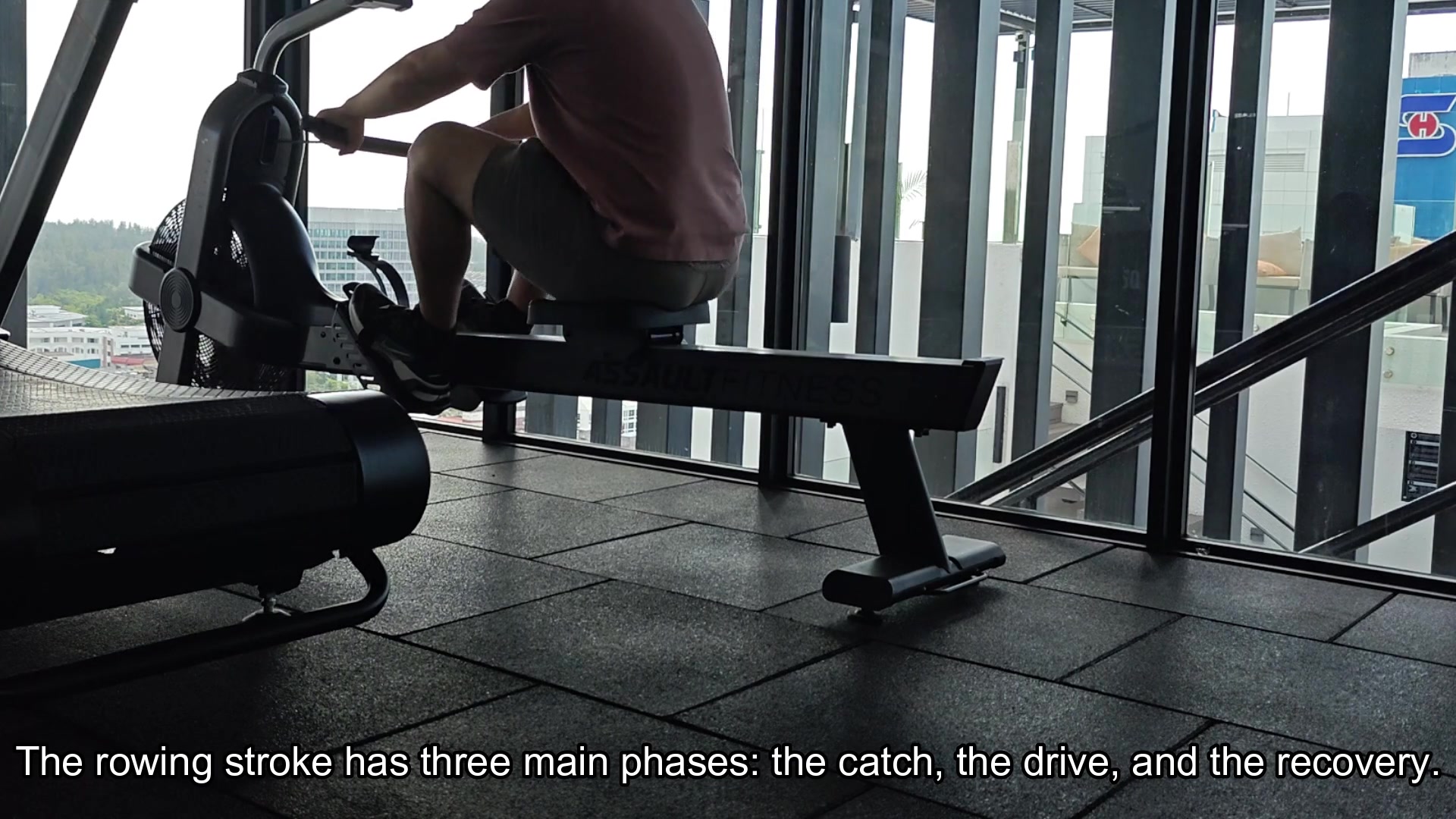
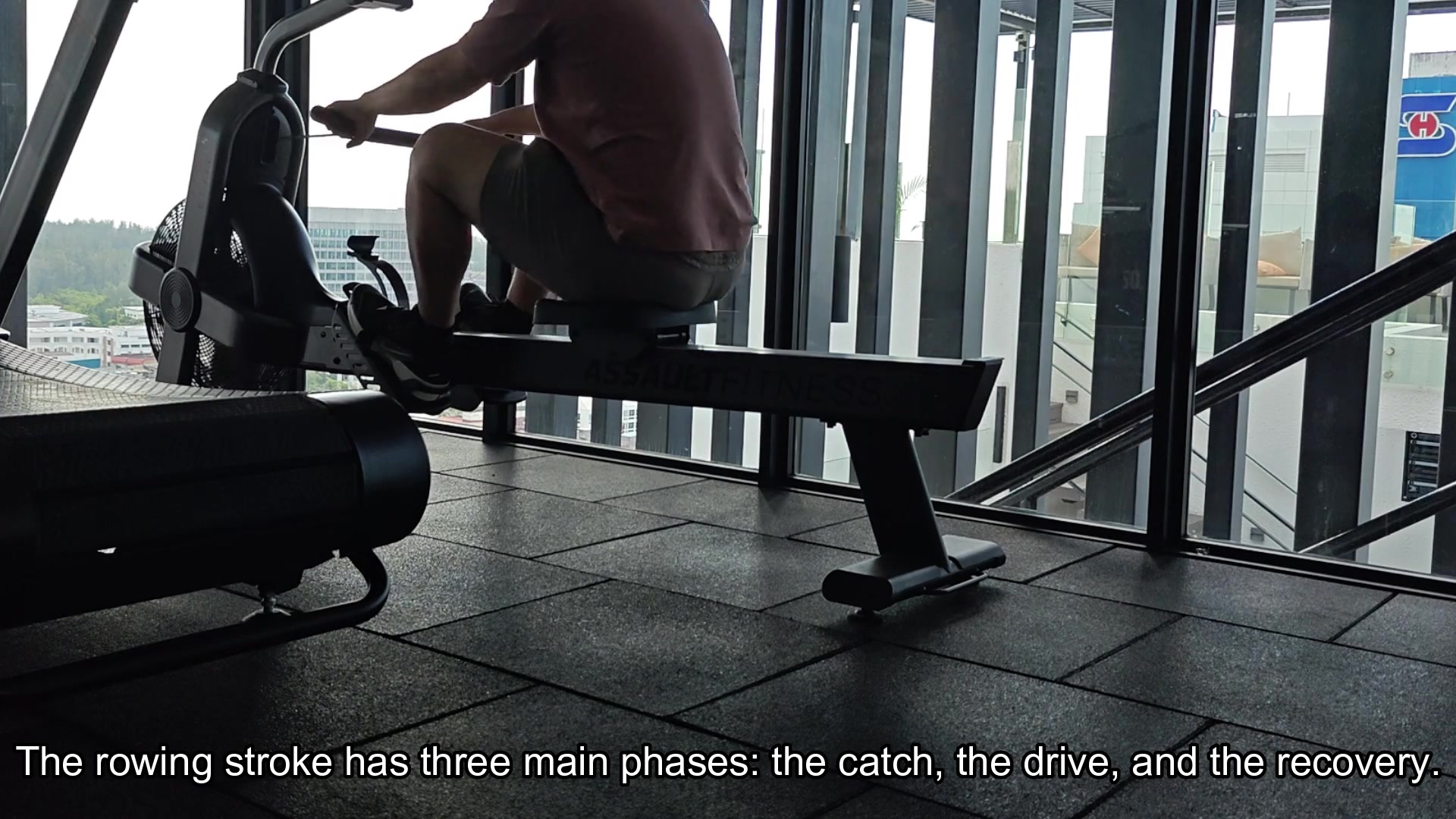
Ah, so you figured it out: how to grip the handle. A lot of folks really clamp down on the handle. It’s one reason why your forearms gets tired after only 500 meters, long before your leg muscles are tapped out. Try for a hook grip; that is, let the fingers do all of the work grasping the handle, but keep the thumbs loose. There shouldn't be much hand (palm) activity in the row.
 
Console The console is definitely cleaner on the Elite model compared to the older console of the Assault rower, but it offers pretty much the same functionality. You can see all the basics like watts, stroke rate, and distance. It does not present much data to the user.
 
So how do you know when the damper doesn't correspond directly to resistance and what really makes it harder? "It's the heavier feel of moving more air per stroke." That's where watts come in. Watts are based off how hard you're pulling against the resistance, or air resistance in this case. Your work rate is dictated by how much you try. However, mechanical feedback can be misleading because it can feel different while still producing the same amount of wattage.
 
So how do you know when the damper doesn't correspond directly to resistance and what really makes it harder? "It's the heavier feel of moving more air per stroke." That's where watts come in. Watts are based off how hard you're pulling against the resistance, or air resistance i…

The flywheel feels light (meaning you can spin it quickly) and holds momentum for a longer time at a low damper setting. At a high damper setting, there is more air in the cage, so the flywheel slows down quicker between strokes and requires more effort to get moving again during the next stroke. Whichever damper setting you select, you are seeing how hard you are working as watts on display.