Anyone using a Concept2 Model D, how steep is the learning curve?

May 5, 2026
197
0
6
toolcroze.com
Thinking about getting a concept 2 but looking into the different ways to use them. The model D is the most common I see people talk about but the operation details is rarely discussed.
How do people actualy use these rowing machines on a daily basis? I'd imagine there's some learning curve in setting up the monitor and getting the damper to the right setting. Does it tend to be a lot or is it basically figured out right away?
Are they prone to needing any maintenance down the road? Again, they seem the simplest of all the rowing machines because they dont use magnets to provide the resistance.
What do people think about the concept 2 model D versus the others in this category out there?
anyone-using-a-concept2-model-d-how-steep-is-the-learning-curve-1.jpg

anyone-using-a-concept2-model-d-how-steep-is-the-learning-curve-2.jpg

anyone-using-a-concept2-model-d-how-steep-is-the-learning-curve-3.jpg

anyone-using-a-concept2-model-d-how-steep-is-the-learning-curve-4.jpg
 
Learning curve is basically zero. The monitor is intuitive after 10 minutes of playing with the PM5. Most people who should just leave it at 3-5 overthink the damper setting.
 
had mine since 2017, only thing ive done is oil the chain every 50 hrs or so and brush the flywheel housing out once a year. Dead simple machine
 
Learning curve is basically zero. The monitor is intuitive after 10 minutes of playing with the PM5. Most people who should just leave it at 3-5 overthink the damper setting.

wait why does damper setting not matter as much as people think? i thought higher damper = more resistance basically
 
wait why does damper setting not matter as much as people think? i thought higher damper = more resistance basically

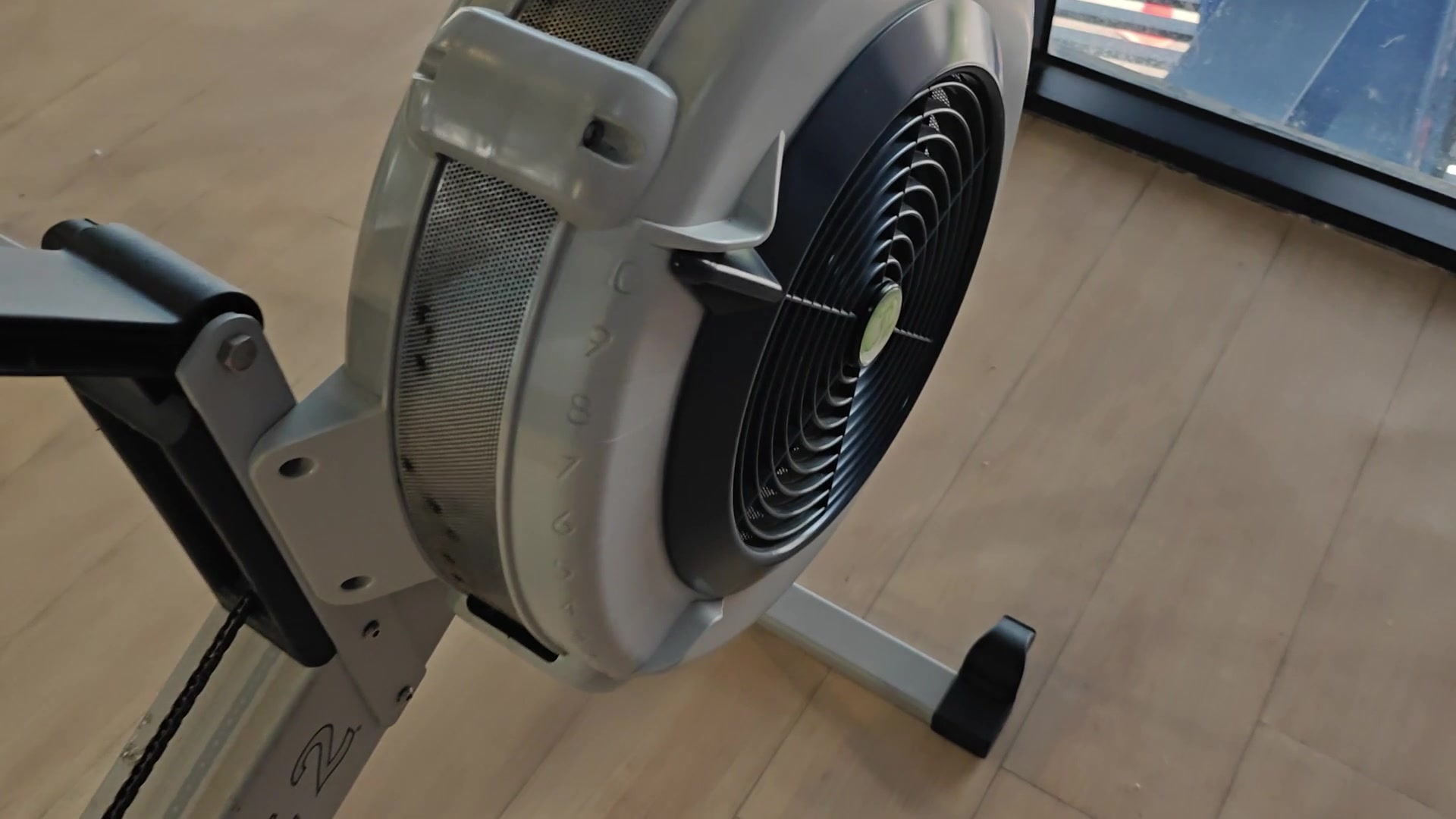
Common misconception. The damper controls the airflow into the flywheel which changes the feel of the rowing machine but not the actual resistance. Resistance comes from how hard you pull on the handle. Higher damper settings will cause the flywheel to decelerate faster between strokes meaning youll need to work harder to get it to start spinning again. Most competitive rowers use a setting between 3 and 5. A setting of 10 is not some mode that makes it "harder" to use the rowing machine, its just a form bait for the beginners who come into the rowing world.
 
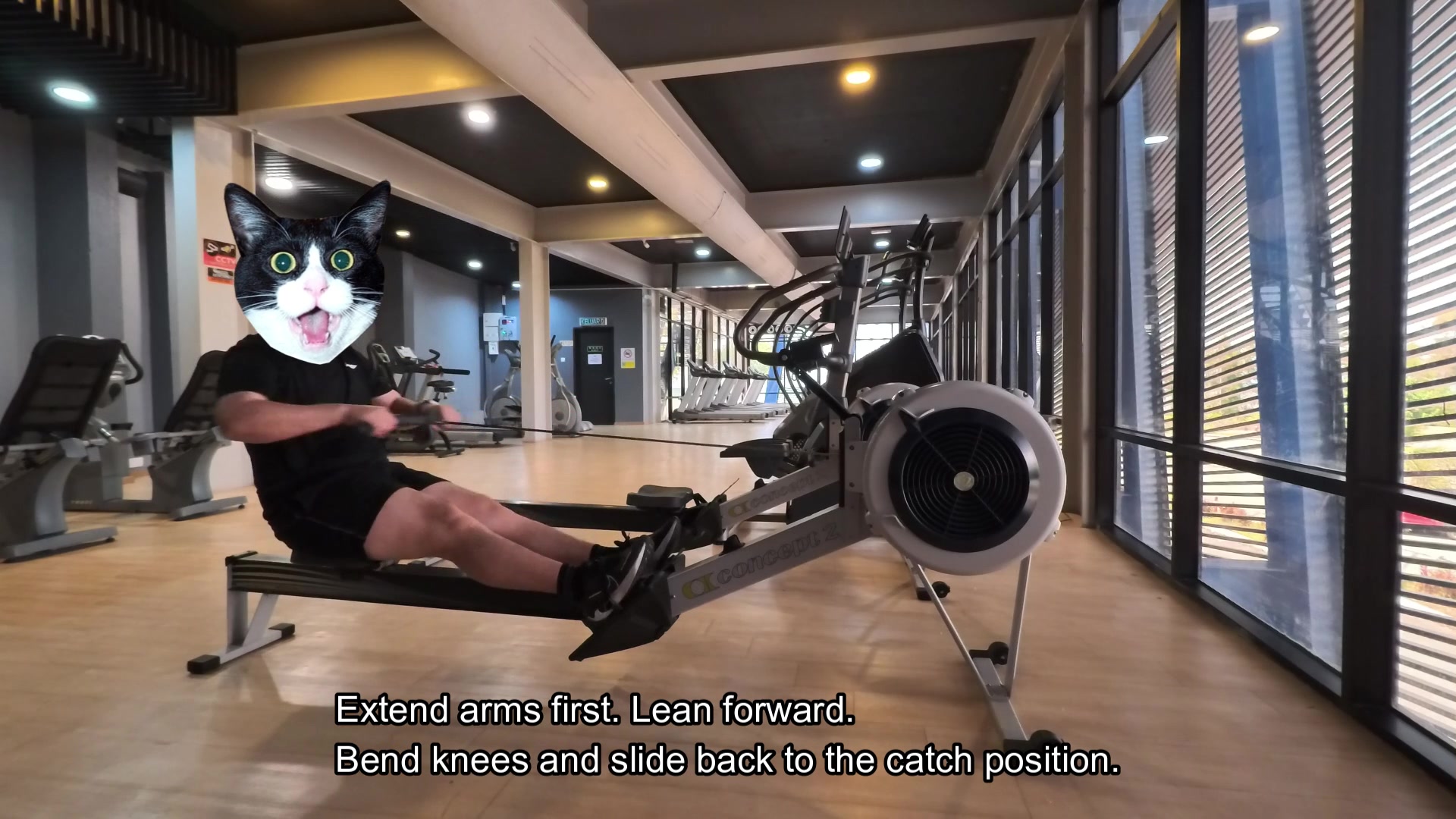
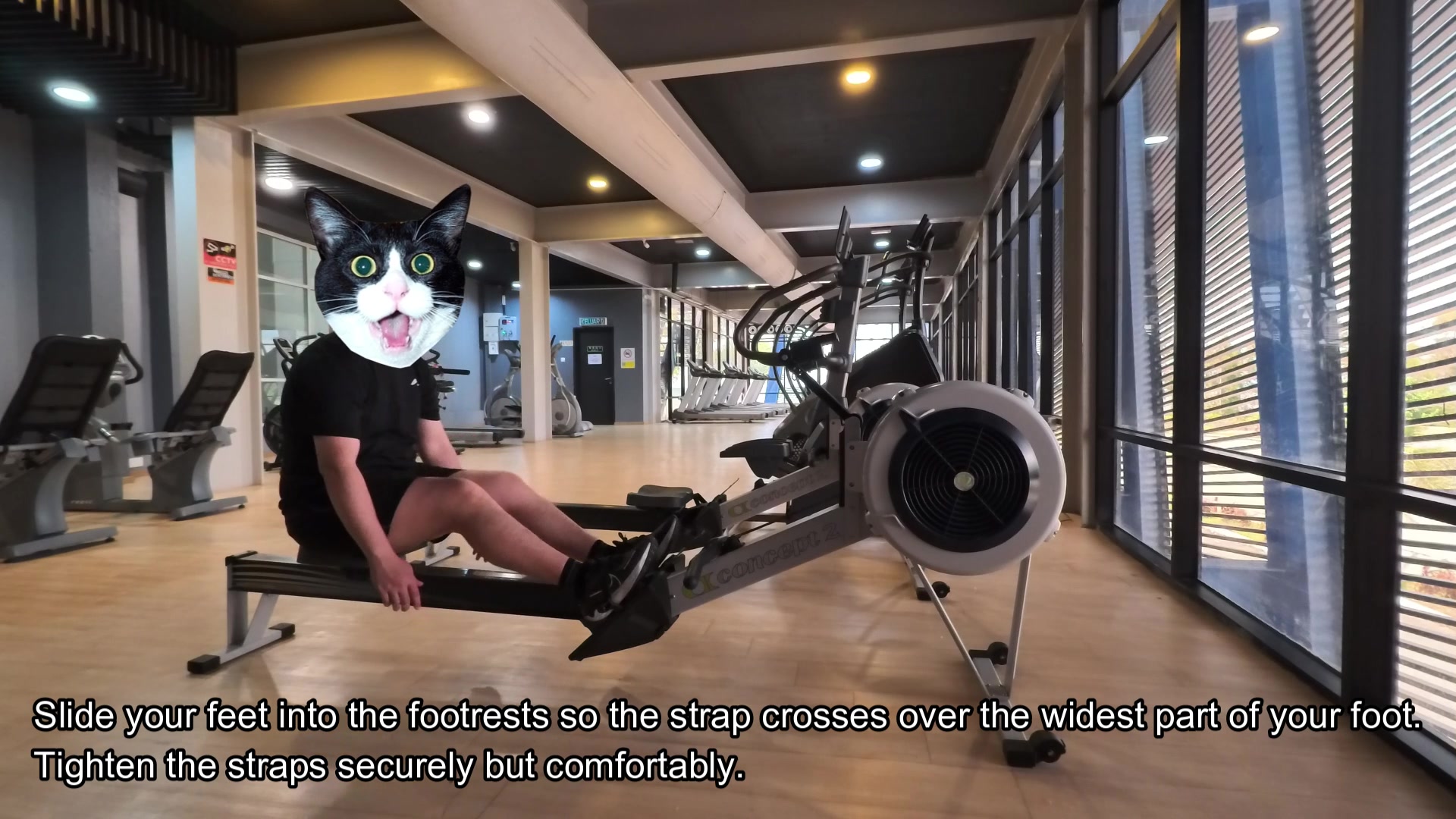
Learning curve here is not the rowing machine but your form when rowing. Watch some of the rowing videos by dark horse on youtube and get a feel for how to properly execute your strokes before you show up at the gym with your plan to last a month rowing machine induced back pain. Focus on leg, back and arm power during the drive phase of the stroke and the reverse for recovery. Most people at the gym just do some weird crunch motion with their arms and wonder why they hate rowing so much.
 
Model D is fine. Concept2 customer support is also legit, I called them about a monitor glitch 4 years in and they walked me through a fix in 5 min. Try getting that from a Peloton.
 
so if i bump the damper up does that actually train different muscles or is it purely a feel thing? like would a higher damper be better for strength focused work vs cardio?

kinda both. Higher damper will give you more force per stroke at a lower stroke rate, lower damper allows for lighter strokes at a higher rate. The work will be up to you. Rowing at a low stroke rate with damper 6-7 will encourage you to build strength. Going at a steady rate with damper 3-4 will promote cardio abilities.
 
build quality is insane. I got mine 12 years ago and it lives in my heated garage. Reads dead accurate against the online rankings. Only thing ive replaced is the batteries in the PM5 once
 
alot of people sleep on the rowerg (same machine basically, just rebranded) being good for upper back work too. Ive had shoulder issues from bench pressing and rowing helped fix alot of that imbalance. Just throwing that out there since you're considering it